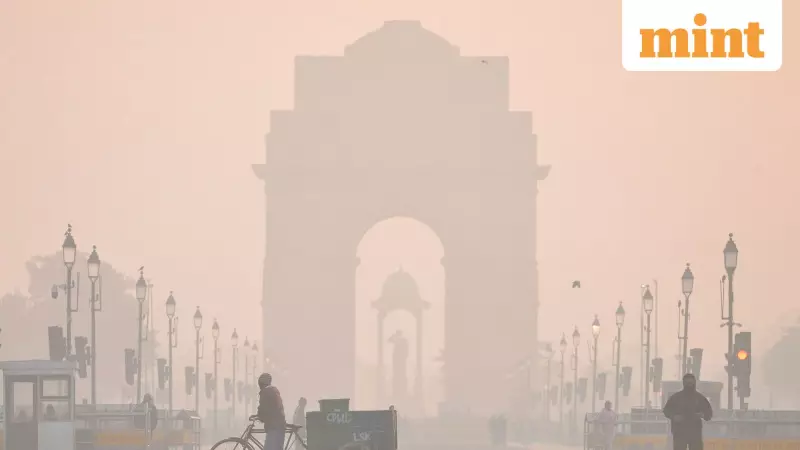
In a significant move addressing the public health emergency posed by deteriorating air quality, the Delhi High Court has issued a directive to the Goods and Services Tax (GST) Council. The court has asked the council to convene a meeting at the earliest to deliberate on the possibility of reducing the GST rate applicable on air purifiers.
Court's Directive Amid Hazardous Air
The order comes as the national capital, Delhi, and its surrounding regions continue to grapple with severely high levels of air pollution, often recorded in the 'hazardous' or 'severe' categories on the Air Quality Index (AQI). The bench, recognizing the critical need for accessible clean air solutions for citizens, emphasized the urgency of the matter. The court's instruction was reported by the Press Trust of India (PTI) on December 24, 2025.
Rationale Behind the Push for Tax Reduction
The underlying logic of the plea, which prompted the court's intervention, is that a high GST rate makes air purifiers prohibitively expensive for a large section of the population. Currently, air purifiers attract a GST slab of 18% or higher, depending on the specifications. By reducing this tax burden, the devices could become more affordable, allowing more households, especially those with vulnerable members like children and the elderly, to invest in cleaner indoor air. This is seen not as a luxury but as a necessary health intervention during prolonged periods of toxic air.

What Happens Next?
The ball is now in the court of the GST Council, the apex federal body comprising representatives from the central and all state governments, which is responsible for making decisions on tax rates. The council will need to schedule a meeting to discuss this specific agenda item. The outcome will depend on the council's assessment of the revenue implications versus the public health imperative. Stakeholders and citizens' groups are likely to watch the proceedings closely, hoping for a relief that makes clean air technology more accessible.
This judicial nudge highlights the growing intersection of environmental health, public policy, and taxation in India. It underscores a judicial acknowledgment that policy tools like taxation must be responsive to public health crises. While the final decision rests with the GST Council, the court's directive has undoubtedly amplified the demand for making essential anti-pollution gear more affordable for the common citizen during Delhi's annual battle with smog.