

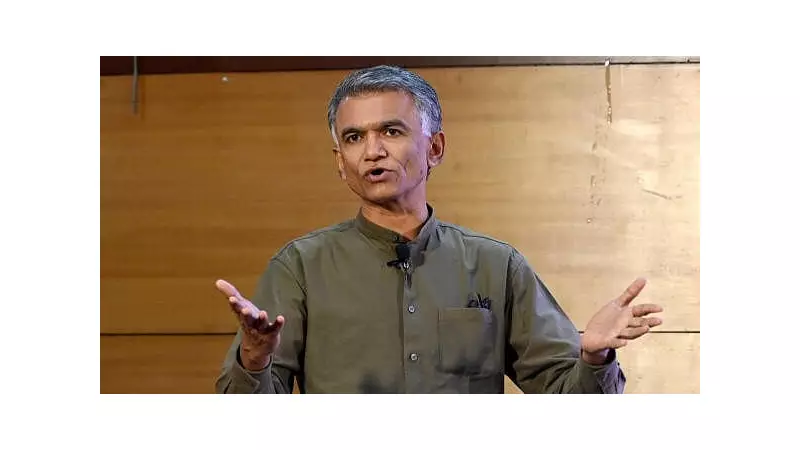
In a significant move to bolster its financial resources, the state of Karnataka has formally requested the central government for a larger portion of tax revenue collected from tobacco and pan masala products. State Finance Minister Krishna Byre Gowda has advocated for a 50% share in the central excise duty levied on these goods.
State Cites Multiple Fiscal Pressures
Minister Byre Gowda presented a compelling case for the enhanced revenue share, highlighting the severe financial constraints Karnataka is currently navigating. He pointed out that while the state remains a major contributor to national economic growth, its own fiscal space is shrinking due to a combination of complex factors.
The challenges listed include recent changes in the Goods and Services Tax (GST) regime, which have impacted state finances. Furthermore, Karnataka is grappling with rising expenditures from essential social welfare commitments, the increasing frequency and severity of climate-related shocks affecting agriculture and infrastructure, and the high costs associated with rapid urbanization.

The Rationale Behind the Demand
The request for a 50% share in the duty on tobacco and pan masala is not arbitrary. These products generate significant central tax revenue, and states like Karnataka, which bear the brunt of public health and civic costs associated with their consumption, argue for a more equitable distribution of these funds.
The revenue from this share could be crucial for Karnataka to fund its expanding development agenda and manage the fiscal pressures outlined by the minister. The state government's stance underscores a growing debate on fiscal federalism and the need to address the financial asymmetry between the Centre and states post-GST implementation.
Implications and Next Steps
This demand, made on 10 January 2026, sets the stage for potential negotiations with the Union Finance Ministry. If accepted, it would provide Karnataka with a more stable and predictable stream of revenue dedicated to managing state-specific challenges.
The outcome of this proposal will be closely watched by other states facing similar fiscal crunches. It highlights the ongoing struggle of regional governments to secure adequate resources to fulfill their governance responsibilities amidst evolving economic landscapes and growing societal needs.






