

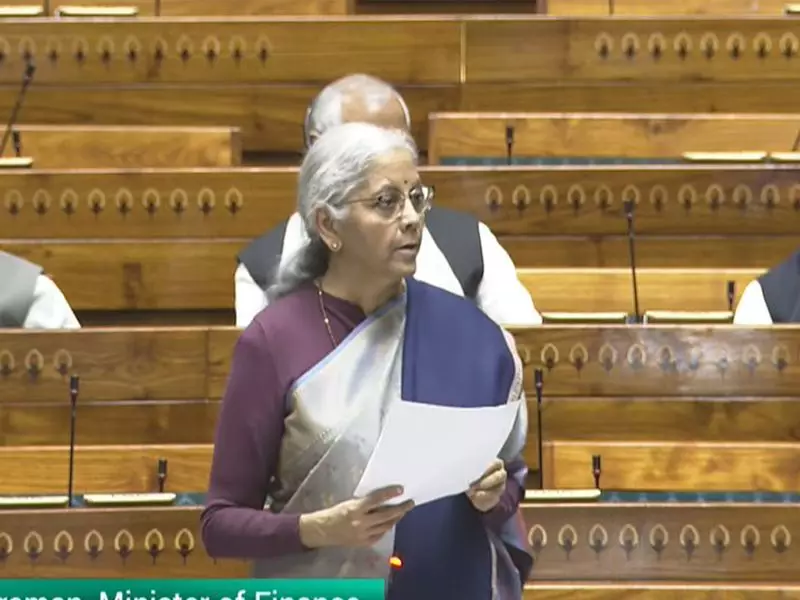
In a significant move aimed at generating dedicated revenue for critical national priorities, the Lok Sabha has passed a key legislative amendment. The bill empowers the government to collect a special additional cess on specific goods, primarily targeting pan masala and tobacco products.
Key Provisions of the Amended Bill
The Lok Sabha gave its nod to the GST (Compensation to States) Amendment Bill, 2024. This legislation amends the existing GST Compensation Cess Act of 2017. The core change introduced is the legal provision to levy a special additional cess at a rate of 10% on the value of certain goods. While the act itself does not list the goods, Finance Minister Nirmala Sitharaman clarified in the House that the cess will be applicable to pan masala and tobacco products.
The rationale behind this targeted levy is twofold. The additional revenue generated will be specifically earmarked to fund crucial government spending in two distinct areas. A significant portion will be directed towards bolstering public health initiatives, likely addressing the massive healthcare burden associated with tobacco and pan masala consumption. Concurrently, funds will also be allocated to strengthen national security measures, providing a financial backbone for defense and internal security needs.

Financial Implications and Parliamentary Debate
The financial impact of this cess is projected to be substantial. According to estimates presented during the parliamentary session, the government expects to collect an additional Rs 1,500 crore annually from this levy. This is not a permanent tax but is proposed for a specific period, effective from April 1, 2026, until March 31, 2026.
The bill's passage was not without debate. Opposition members raised concerns, arguing that the cess would disproportionately affect poorer sections of society who are the primary consumers of these products. They questioned the logic of funding security needs through a health-damaging commodity. In response, Finance Minister Sitharaman defended the policy, stating it was a necessary step to create a dedicated revenue pool for expenditures that benefit the nation as a whole. She emphasized that the government has the prerogative to choose appropriate instruments for resource mobilization.
Context and Future Path
This amendment is a strategic fiscal tool. It operates within the framework of the GST compensation cess, which was originally instituted to reassure states of revenue protection for five years after the GST rollout. With that transition period over, the mechanism is now being adapted for new objectives.
The legislative process for this cess is now halfway complete. Having been passed by the Lok Sabha, the bill will next move to the Rajya Sabha for discussion and approval. Once passed by the Upper House and receiving the President's assent, the government will be empowered to notify the specific goods and formally implement the 10% special additional cess, setting the stage for its collection starting in 2026.
This move highlights the government's approach to linking specific sin goods with funding for broader national welfare and security, a policy that will have direct implications for manufacturers, consumers, and the national exchequer.






