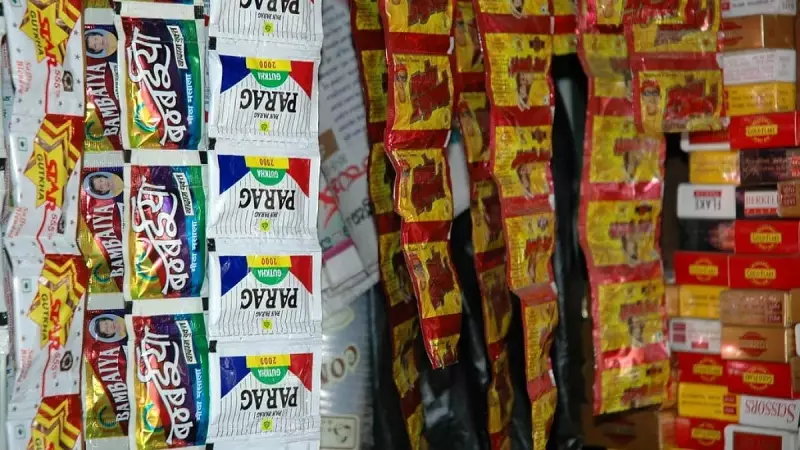
The Lok Sabha has given its approval to a significant piece of legislation aimed at generating additional funds for public health initiatives. The lower house passed a bill that empowers the central government to impose a cess on the production of pan masala, tobacco, and similar products.
Finance Minister's Assurance on State Revenues
During the parliamentary discussion, Union Finance Minister Nirmala Sitharaman addressed a key concern raised by members. She provided a firm assurance that the revenue collected from this new cess would be shared with the state governments. This move is designed to help compensate for the gradual reduction in the GST compensation that states have been receiving.
The GST compensation regime for states is scheduled to conclude in June 2026. Minister Sitharaman clarified that the proposed cess is not intended to replace the expiring GST compensation mechanism directly. Instead, it will create a new, dedicated stream of revenue. The collected funds will be specifically earmarked for financing crucial public health programs across the country.

Details and Rationale Behind the New Cess
The legislative proposal, known as the Central Goods and Services Tax (Amendment) Bill, 2024, was introduced and passed on Wednesday. The core provision of the bill allows for the levy of a special fee, or cess, on manufacturers of goods like pan masala, gutkha, chewing tobacco, and other tobacco products that are already subject to the national GST regime.
The government's rationale is twofold. First, it seeks to create a sustainable financial pool for health-related expenditures. Second, by targeting products known to have adverse health effects, the cess also acts as a sin tax, aiming to potentially curb consumption by making these items more expensive. The revenue model ensures that states remain financially supported even as the guaranteed GST compensation winds down.
Parliamentary Debate and Broader Implications
The bill's passage did not occur without debate. Some opposition members voiced their opinions during the session. However, the government's argument regarding the necessity of funding public health infrastructure and supporting state finances ultimately held sway.
This development marks a strategic shift in India's fiscal policy concerning health funding. By linking a new tax on specific commodities to health budgets, the government is establishing a direct correlation between the source of revenue and its end use. The success of this initiative will depend on the effective implementation of the cess and the transparent allocation of the generated funds to the states for tangible health outcomes.
Industry stakeholders in the pan masala and tobacco sectors are now awaiting further operational details, including the exact rate of the cess and the procedural framework for its collection. The bill will next move to the Rajya Sabha for consideration before it can become law.