

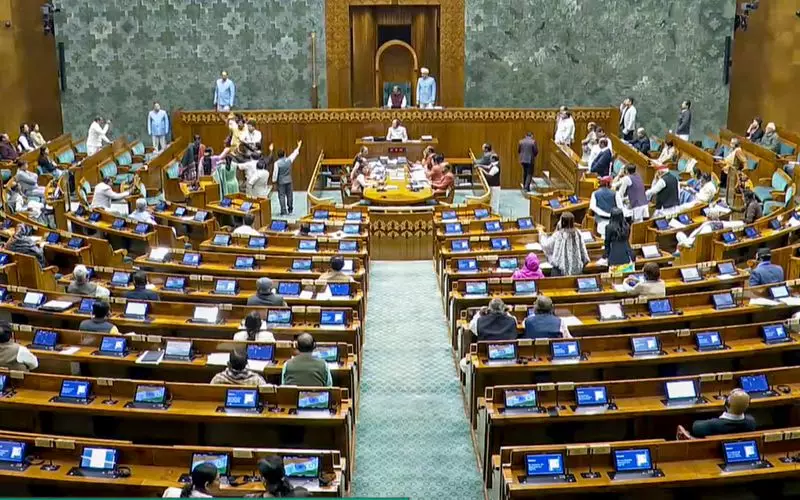
The Lok Sabha has given its approval to a significant financial measure targeting specific consumer goods. In a move aimed at discouraging consumption and generating dedicated funds for health and security, the lower house of Parliament passed a bill to impose an additional levy.
Key Provisions of the GST Amendment Bill
The bill in question is the GST (Amendment) Bill, 2024. Its core provision is the introduction of a National Security and Health Cess on two categories of products: pan masala and tobacco. This cess is not a minor addition; it is set at a substantial rate of 25 percent on the value of these goods. The legislative action took place on August 5, 2024, marking a decisive step in the government's fiscal and public health policy.
It is crucial to understand that this cess is an additional charge over and above the existing Goods and Services Tax (GST). Currently, pan masala attracts a GST rate of 12%, while tobacco products like cigarettes are taxed at 28%. The new 25% cess will be calculated on the transaction value, effectively increasing the final cost to the consumer significantly. The revenue collected through this specific cess is earmarked for financing national security and public health requirements.

Government's Rationale and Parliamentary Debate
The government, represented by Finance Minister Nirmala Sitharaman, presented the bill with a clear dual objective. The primary stated goal is to discourage the consumption of products deemed harmful to health. Pan masala and tobacco are directly linked to severe health issues, including oral cancer and cardiovascular diseases. By making them more expensive, the government hopes to reduce their usage, particularly among younger and more price-sensitive demographics.
The secondary objective is fiscal. The cess will create a dedicated stream of revenue to support the nation's security apparatus and fund critical healthcare initiatives. During the debate, the Finance Minister emphasized that the funds would be utilized for the welfare of the people, aligning with broader public health goals. The bill was passed by a voice vote in the Lok Sabha, indicating its passage without a formal division of votes.
Implications and Expected Outcomes
The immediate and most visible consequence of this legislation will be a sharp rise in the retail prices of all pan masala, gutkha, and tobacco products. Industry experts predict that this could lead to a contraction in the legal market for these goods. However, there are also concerns about a potential increase in smuggling and the sale of illicit, non-taxed products to circumvent the higher prices.
From a public health perspective, health advocacy groups have largely welcomed the move. They argue that high taxation is one of the most effective tools for reducing consumption of addictive substances. The additional funds, if channeled correctly into cancer prevention, treatment centers, and public awareness campaigns, could have a long-term positive impact on the nation's health burden.
The bill's journey is not yet complete. Having been passed by the Lok Sabha, it will now be sent to the Rajya Sabha for its consideration and approval. Once passed by both houses and receiving the President's assent, it will become law. This legislative action underscores the government's continued strategy of using tax policy as an instrument for social change and targeted revenue generation.






