The Rajya Sabha, on Tuesday, formally returned the Manipur Goods and Services Tax (GST) bill to the Lok Sabha, a procedural step that paves the way for its enactment. The bill seeks to replace an existing ordinance and implement crucial GST reforms in the northeastern state.
Finance Minister's Strong Defence
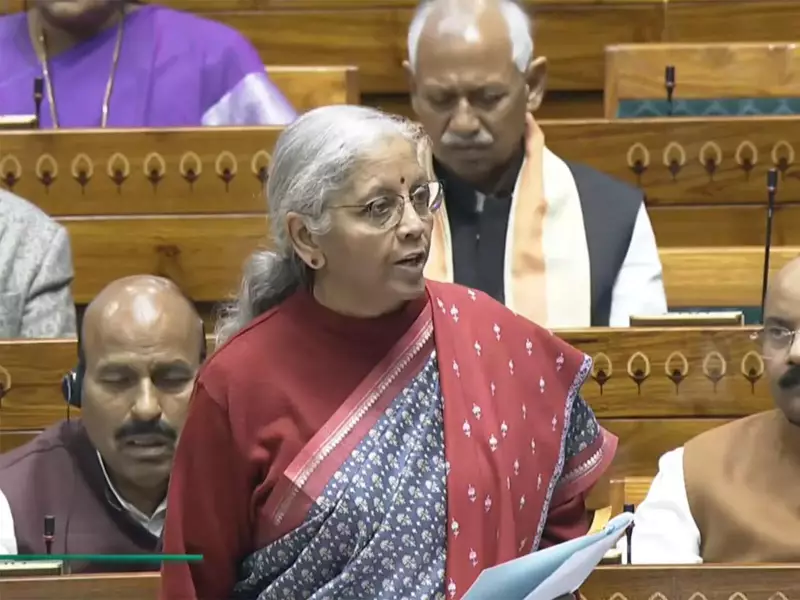
While replying to the discussion in the Upper House, Finance Minister Nirmala Sitharaman strongly defended the legislation. She asserted that the bill would bring significant benefits to the people and businesses of Manipur. The minister took the opportunity to launch a sharp critique against the opposition parties, accusing them of insincerity.
"Throughout 2024, we saw the opposition shedding crocodile tears about Manipur for everything. They raised issues, they voiced their concerns, and shed crocodile tears," Sitharaman said. She recalled a previous instance when a bill for Manipur's budget was introduced, and the opposition did not participate in the debate. "Even at that time, they didn't think about the welfare of the people of Manipur," she added.

Opposition Stages Walkout
The discussion on the bill was marked by political tension. As proceedings began, opposition parties staged a walkout. Their protest was over the government's refusal to provide a clear timeline for a discussion on a separate issue. The treasury benches, however, insisted on following the scheduled agenda, which prioritized a discussion on 150 years of 'Vande Mataram' followed by talks on electoral reforms.
Highlighting the empty opposition benches, Sitharaman said, "Even today, when we are trying to convert an ordinance into a regular bill and get it passed here to become an Act, the opposition is not here to participate." She expressed disappointment, stating, "So, all the grievances that they voice about Manipur, accusing the PM and the home minister, is all just drama. I am ashamed and sorry to say this. The opposition should play a constructive role."
Key Reforms in the Bill
The Finance Minister outlined that the proposed legislation is not merely a procedural formality. It introduces important structural reforms designed to enhance the efficiency and transparency of the tax system in Manipur. A central feature highlighted by Sitharaman is the implementation of a track and trace system. This technology-driven measure aims to monitor the movement of goods and ensure better compliance, potentially reducing tax evasion and streamlining logistics for businesses operating in the state.
The bill's passage in the Rajya Sabha comes a day after it was cleared by the Lok Sabha. With both houses of Parliament having approved it, the ordinance will now be replaced by a full-fledged Act, solidifying the GST framework in Manipur.