The Government of India has announced a significant fiscal measure targeting tobacco products and pan masala, set to take effect from the beginning of next month. An additional excise duty on tobacco and a new health cess on pan masala will be implemented starting February 1. This move is poised to directly impact the retail prices of these products across the nation.
Details of the New Tax Measures
The notification, issued on December 31, 2025, outlines the government's latest step in its public health and revenue generation strategy. While the specific percentage increase in the excise duty on tobacco has not been detailed in the initial announcement, the imposition of a dedicated health cess on pan masala is a notable development. This cess is explicitly framed as a levy intended to fund health initiatives, potentially linked to addressing the societal costs associated with the consumption of such products.
Immediate Impact on Consumers and Market
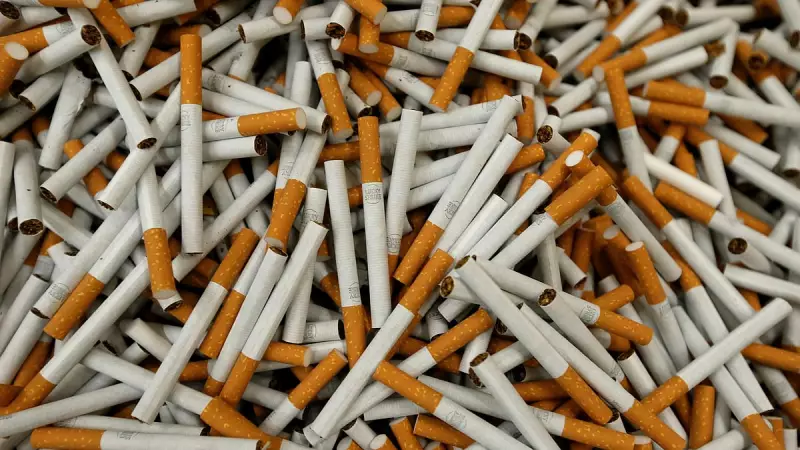
The most immediate consequence of this policy will be felt by consumers. The price of cigarettes is expected to rise, affecting an estimated 100 million smokers in India, which is currently the world's most populous country. This follows a long-standing pattern where the government uses taxation as a tool for both revenue mobilization and public health deterrence. The price hike on pan masala, driven by the new health cess, will similarly affect its vast consumer base. Industry analysts anticipate that manufacturers will pass on the additional tax burden to the end-users, leading to higher retail prices shortly after the February 1 deadline.

Broader Implications and Objectives
This move aligns with global and national efforts to reduce the consumption of harmful products by making them less affordable. The dual goals are clear: to boost government tax revenues and to discourage the use of tobacco and pan masala for health reasons. The specific allocation of funds collected through the pan masala health cess will be closely watched, as it could signal increased funding for anti-tobacco campaigns, cancer treatment facilities, or other healthcare infrastructure. The success of this measure will be judged not only by the additional revenue it generates but also by its potential to influence consumption patterns among India's massive population of users.
As the effective date of February 1 approaches, retailers and distributors are expected to adjust their pricing. Consumers should brace for increased costs on these items, marking the start of the new fiscal calendar with a tangible change in their personal expenditure.