

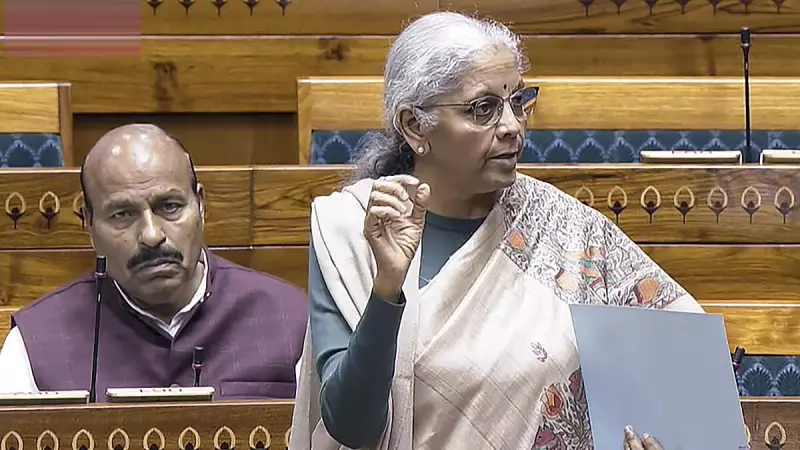
The Indian Parliament has given its final approval to a significant piece of legislation aimed at imposing an excise duty on tobacco products. The bill was passed after discussion in both houses, marking a pivotal step in the government's fiscal and public health policy.
Finance Minister Addresses the Upper House
Replying to the debate on the bill in the Rajya Sabha, Finance Minister Nirmala Sitharaman elaborated on the various facets of the proposed law. She provided detailed explanations regarding the scope, intent, and mechanisms of the excise duty levy. During her address on 04 December 2025, the Minister also took the time to respond to questions and concerns raised by various members of the house, ensuring a comprehensive parliamentary scrutiny of the proposal.
Key Aspects of the Tobacco Excise Duty Bill
The legislation is designed to create a structured framework for taxing tobacco products at the point of manufacture or production. This move aligns with broader national goals that include increasing revenue streams for the government while simultaneously discouraging the consumption of harmful tobacco products. The specifics of the duty rates and the categories of tobacco products covered are central to the bill's provisions, which were clarified during the parliamentary session.

Implications and the Path Forward
The passage of this bill carries substantial implications. From a fiscal perspective, it is expected to bolster the government's excise revenue. From a public health standpoint, it is seen as a deterrent measure, leveraging taxation to reduce tobacco use. The discussion in Parliament highlighted the balance the government seeks to strike between economic and health objectives. With the bill now approved, the focus shifts to its notification and implementation, which will bring the new excise duty regime into effect across India.






