

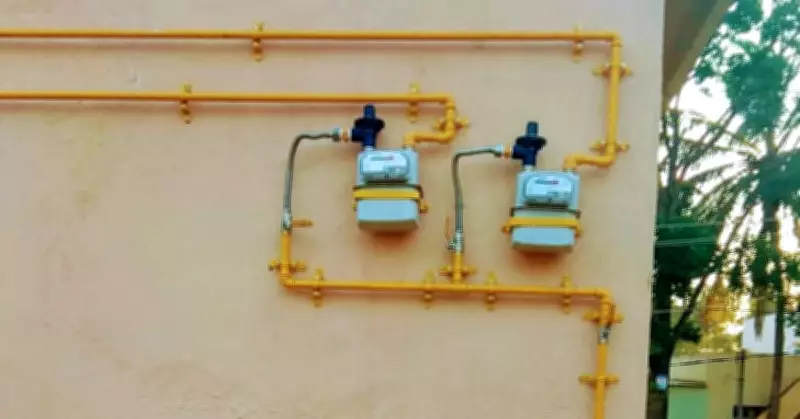
Significant Fuel Inefficiency Hits PNG Consumers with Retrofitted Appliances
As the central government aggressively promotes the adoption of Piped Natural Gas (PNG) across households, a troubling issue has emerged that is costing consumers both money and energy. Many users who have made the switch from traditional Liquefied Petroleum Gas (LPG) to PNG are experiencing substantial fuel losses, estimated at around 25%, due to the retrofitting of their existing LPG stoves.
The Root Cause: Modified Nozzles and Burners
The core of the problem lies in the modification process required to adapt LPG stoves for PNG use. Technicians typically retrofit these appliances by altering the nozzle and burner components. However, this adjustment often leads to inefficient combustion and gas wastage. The mismatch between the stove's original design and the new fuel type results in suboptimal performance, where a significant portion of the natural gas is not fully utilized for cooking purposes.
This inefficiency translates directly into higher operational costs for households, as they end up paying for gas that does not contribute effectively to their cooking needs. The issue is particularly prevalent among consumers who opted for retrofitting to avoid the expense of purchasing new PNG-compatible stoves, only to find themselves facing ongoing financial drains due to the fuel loss.

Government Initiatives and Consumer Awareness
The Centre's push for PNG is part of a broader strategy to enhance energy security, reduce pollution, and provide a more convenient fuel option. Piped Natural Gas is touted for its cleaner burning properties and the elimination of cylinder handling. However, this recent revelation about retrofitting inefficiencies highlights a critical gap in the transition process.
Experts suggest that many consumers are unaware of the potential drawbacks associated with retrofitting. The lack of standardized procedures and quality control in the modification of stoves exacerbates the problem. Without proper guidelines and certification for retrofitting practices, households may continue to experience these losses, undermining the benefits of switching to PNG.
Regional Impact and Broader Implications
Reports indicate that this issue is notably affecting consumers in regions like Karnataka, where the adoption of PNG is gaining momentum. The state has seen a growing number of households making the switch, only to encounter these unexpected inefficiencies. The situation raises questions about the overall effectiveness of the government's natural gas expansion plans if such technical hurdles are not addressed promptly.
Beyond individual households, the cumulative fuel loss has implications for national energy conservation efforts. Wasting 25% of natural gas through inefficient appliances contradicts the goals of reducing energy consumption and promoting sustainable practices. It also puts additional strain on the petroleum and natural gas supply chain, potentially affecting pricing and availability.
Moving Forward: Solutions and Recommendations
To mitigate this issue, stakeholders are calling for several measures:
- Enhanced Consumer Education: Informing users about the risks of retrofitting and the benefits of investing in PNG-specific stoves.
- Standardization of Retrofitting: Establishing certified protocols and training for technicians to ensure modifications are done efficiently.
- Government Oversight: Implementing regulations to monitor retrofitting practices and prevent fuel wastage.
- Incentives for New Appliances: Offering subsidies or financial assistance to encourage the purchase of dedicated PNG stoves.
As the transition to PNG continues, addressing these technical challenges will be crucial for realizing the full potential of natural gas as a household fuel. Consumers are advised to weigh the long-term costs and benefits carefully, considering both initial expenses and ongoing efficiency.






