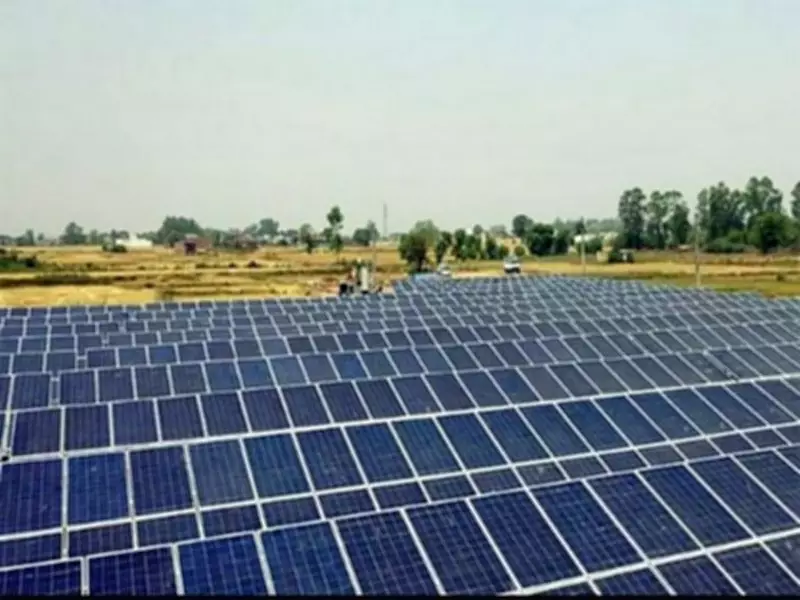
Renewable energy companies can significantly enhance their profitability by leveraging artificial intelligence (AI) for the maintenance of their existing assets, according to a new report by McKinsey & Company. The consulting firm highlights that AI-driven predictive maintenance can reduce unplanned downtime, extend equipment life, and lower operational costs, ultimately boosting profits by up to 30%.
Key Findings of the McKinsey Report
The report emphasizes that many renewable energy firms have not yet fully tapped into the potential of AI for asset management. By implementing AI algorithms that analyze data from sensors and historical performance, companies can predict failures before they occur and schedule maintenance proactively. This approach minimizes revenue losses from outages and reduces expensive emergency repairs.
Benefits of AI-Led Maintenance
- Reduced downtime: AI can forecast equipment failures with high accuracy, allowing for timely interventions that keep turbines, solar panels, and other assets operational.
- Lower maintenance costs: Predictive maintenance avoids unnecessary routine checks and focuses resources where they are most needed, cutting costs by 15-25%.
- Extended asset life: By addressing issues early, AI helps prolong the lifespan of expensive equipment, improving return on investment.
- Increased energy output: Optimized maintenance schedules ensure that assets operate at peak efficiency, boosting overall energy generation.
Case Studies and Examples
McKinsey cites examples from wind and solar farms where AI implementation led to a 10-20% increase in energy production. For instance, a wind farm using AI to monitor turbine blade conditions reduced maintenance frequency by 30% while increasing availability by 5%. Similarly, a solar plant using AI to detect soiling on panels improved cleaning schedules, resulting in a 4% gain in energy yield.

Challenges and Recommendations
Despite the clear benefits, adoption of AI in renewable energy maintenance faces hurdles such as data silos, lack of skilled personnel, and initial investment costs. McKinsey recommends that companies start with pilot projects, invest in data infrastructure, and build cross-functional teams to scale AI solutions. Partnerships with technology providers can also accelerate implementation.
The report concludes that as the renewable energy sector grows, AI-led maintenance will become a key differentiator for profitability and sustainability. Early adopters could gain a competitive edge by maximizing returns from existing assets while preparing for future expansions.