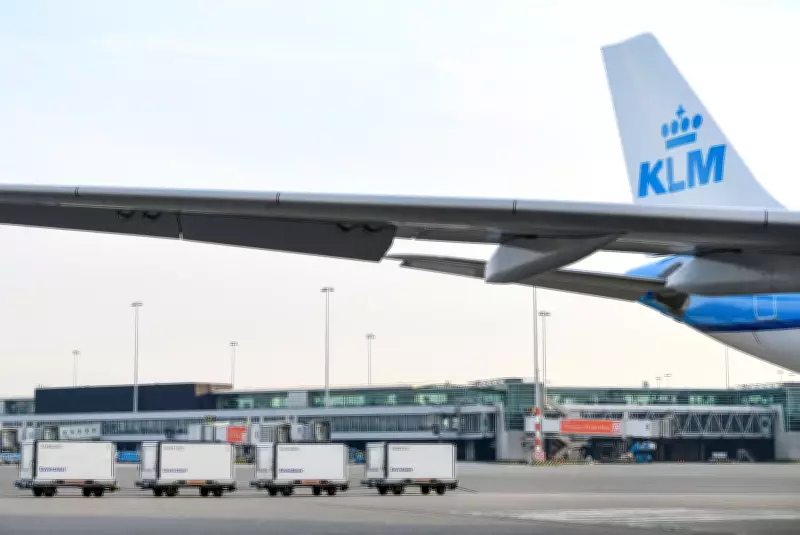
Air France-KLM has announced that its jet fuel bill is projected to increase by $2.4 billion this year, driven by rising fuel prices and regulatory requirements for sustainable aviation fuel (SAF). The airline group, one of Europe's largest carriers, expects total fuel costs to reach approximately $12.5 billion in 2025, up from $10.1 billion in 2024.
Factors Driving the Increase
The surge in fuel expenses is attributed to several key factors. Firstly, global oil prices have risen due to geopolitical tensions and supply constraints, pushing jet fuel prices higher. Secondly, the European Union's ReFuelEU Aviation regulation mandates that airlines blend an increasing share of SAF with conventional jet fuel. SAF currently costs two to four times more than traditional kerosene, adding significant pressure to airline budgets.
Air France-KLM has been a proponent of SAF as a means to decarbonize aviation, but the higher costs pose a challenge to profitability. The group has warned that without adequate support from governments and the industry, the transition to greener fuels could strain financial performance.

Impact on Operations and Strategy
To mitigate the rising costs, Air France-KLM is implementing several measures. These include fleet modernization with more fuel-efficient aircraft, optimizing flight routes, and exploring partnerships for SAF production. The airline is also hedging fuel prices to manage volatility. However, these strategies may only partially offset the increase, leading to potential fare adjustments for passengers.
The group's CEO, Benjamin Smith, stated, 'We are committed to our sustainability goals, but the cost of SAF remains a major hurdle. We need policy support to make sustainable fuels more affordable and scalable.'
Industry-Wide Implications
The situation at Air France-KLM reflects broader trends in the airline industry. Many carriers are grappling with higher fuel costs and regulatory pressure to adopt SAF. The International Air Transport Association (IATA) has called for government incentives to boost SAF production and reduce costs. Without such measures, airlines may face reduced margins or pass costs to consumers, potentially dampening travel demand.
Air France-KLM's fuel bill increase is expected to impact its financial targets for 2025. The group reported a net profit of €1.2 billion in 2024, but the additional $2.4 billion in fuel costs could significantly erode earnings if not managed effectively.
In response, the airline is engaging with fuel suppliers and technology companies to accelerate SAF development. It also plans to increase its use of carbon offsets as a transitional measure. The company remains optimistic that long-term investments in sustainability will yield both environmental and economic benefits.