

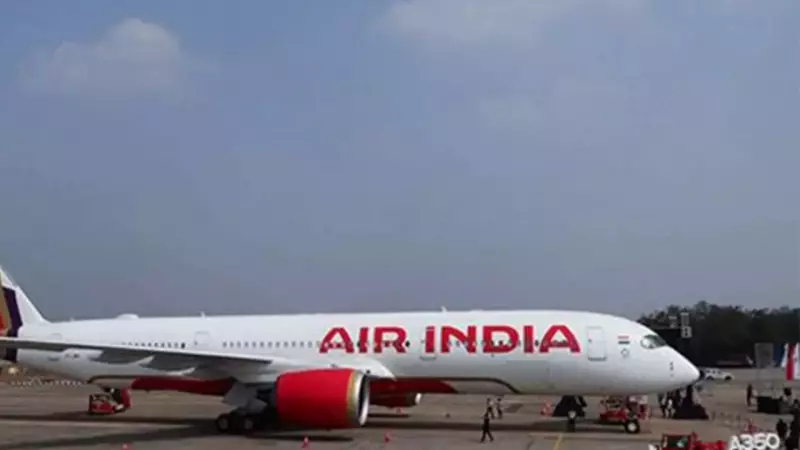
A major staffing crisis is gripping India's aviation sector, sparking an unprecedented tug-of-war for experienced captains between the country's leading carriers, IndiGo and the Air India group. The upheaval follows the recent collapse of IndiGo's flight schedule and the implementation of stricter Flight Duty Time Limitation (FDTL) norms designed to enhance safety by reducing pilot fatigue.
The Hiring Frenzy and Captain Exodus
The situation has forced airlines into a reactive hiring spree. IndiGo has committed to the Directorate General of Civil Aviation (DGCA) to induct 100 new pilots in January alone. Simultaneously, Air India has publicly advertised for more aviators. However, this recruitment drive is not merely for expansion; it's a critical move to prevent their numbers from dwindling below current levels due to a significant wave of captain resignations.
Pilots are leaving for rival domestic carriers and, more prominently, for lucrative opportunities with foreign airlines, especially in the Middle East and regions like Vietnam. The competition has become so intense that a senior airline official revealed that captains are now receiving recruitment calls with joining bonuses as high as Rs 50 lakh.

"Where do we get captains from? Under the new FDTL, experienced pilots’ availability will become acute. There will be lot of poaching from each other," a senior airline official stated, highlighting the scarcity.
Root Causes: Pay, Conditions, and the New FDTL
The exodus is driven by longstanding pilot grievances over poor working conditions and pay structures that haven't kept pace with inflation. While the new FDTL rules aim to reduce fatigue, they also effectively increase the number of pilots required to operate the same schedule, intensifying the demand.
Veteran aviation expert Captain Shakti Lumba, former Vice President of both Air India and IndiGo, analyzed the landscape. "India will witness a scramble for captains between Air India group and IndiGo... Unless AI & IndiGo offer better working conditions to pilots, they will not be able to stem the flow to Middle East and other places," he said. He noted that while Air India's current shortage is mainly for its Boeing 787 Dreamliner fleet, it must hire for future inductions. IndiGo, meanwhile, must mend its pilot-management relations to retain talent.
Historically, such bonuses are not new. A senior pilot recalled that a few years ago, IndiGo offered joining bonuses of Rs 15-25 lakh to cover the bond payments pilots owed to their previous employers, which then ranged between Rs 5-15 lakh.
Airlines' Counter-Strategies and Future Challenges
In response to the crisis, both airlines are preparing financial countermeasures. IndiGo has announced a slight increase in pilot pay effective next month, through enhanced and new allowances. Air India is reportedly planning a major salary revision, a closely guarded secret slated to be unveiled in the first week of January.
The strategic needs differ: IndiGo requires more pilots to comply with the less strenuous FDTL norms, while Air India is building a pipeline for the significant aircraft inductions expected from next year. Currently, only Air India's B787 pilots have high flying hours, but this will change as fleet expansion accelerates.
The episode has put the typically cost-focused human resource departments of these airlines on the back foot, unable to oppose the necessary investment in their cockpit crews after the operational disruptions seen earlier this month. The race to become more humane employers is now directly linked to operational stability and safety in India's competitive skies.






