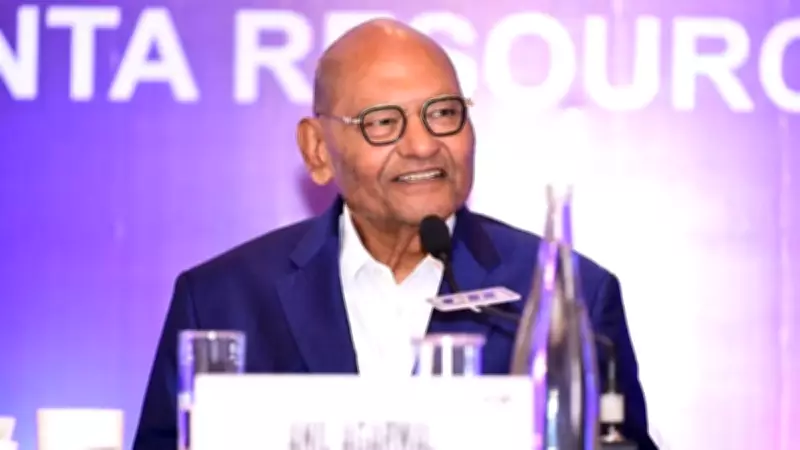
Vedanta Chairman Anil Agarwal Alleges Global Resistance to India's Oil Production
In a bold statement that has stirred discussions in the energy sector, Vedanta Group Chairman Anil Agarwal has asserted that the world does not want India to produce its own oil. This claim highlights a perceived international effort to keep India dependent on oil imports, which Agarwal views as a significant barrier to the nation's economic sovereignty and energy security.
Context of India's Oil Import Dependency
India is one of the world's largest importers of crude oil, relying heavily on foreign supplies to meet its energy needs. This dependency not only impacts the country's trade balance but also exposes it to global price fluctuations and geopolitical risks. Agarwal's comments come at a time when India is actively seeking to reduce this reliance through various government initiatives and private sector investments.
Anil Agarwal emphasized that increasing domestic oil production is crucial for India's growth and stability. He pointed out that despite having substantial reserves, India's production levels remain low due to a combination of regulatory challenges and lack of adequate investment. Agarwal believes that external pressures are part of the reason why domestic production hasn't been prioritized.

Implications for India's Energy Policy
The statement from the Vedanta chairman underscores the need for a more aggressive approach to energy self-reliance. If true, the alleged global resistance could hinder India's efforts to boost domestic output, which is essential for reducing import bills and enhancing energy security. Agarwal's remarks call for a reevaluation of policies to encourage local production and reduce external dependencies.
This perspective aligns with broader national goals of achieving energy independence, as outlined in various government schemes. However, it also raises questions about the dynamics of international trade and the interests of global powers in maintaining the status quo.
Potential Steps Forward
To address these challenges, Agarwal suggested that India must focus on:
- Investing in advanced exploration technologies to tap into domestic reserves more effectively.
- Streamlining regulatory processes to attract more private investment in the oil and gas sector.
- Promoting public-private partnerships to accelerate production projects.
By taking these steps, India could potentially overcome the alleged external pressures and move towards greater energy autonomy. Agarwal's comments serve as a reminder of the strategic importance of domestic production in safeguarding the nation's economic interests.
In conclusion, Anil Agarwal's assertion that the world doesn't want India to produce its own oil sheds light on the complex interplay between global politics and energy economics. As India continues to navigate its path towards self-reliance, such insights from industry leaders are invaluable in shaping future policies and strategies.