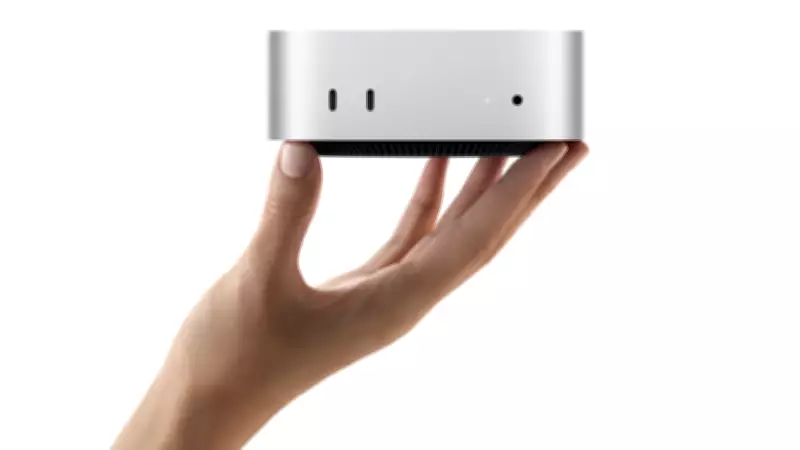
Apple to Begin Mac Mini Production in Houston, Texas, This Year
In a significant move to diversify its manufacturing footprint, Apple is set to commence production of Mac Mini computers at a Foxconn facility located in north Houston later this year. This initiative represents Apple's latest and most visible effort to relocate some of its production operations from Asia to American soil, signaling a strategic shift in its global supply chain management.
Exclusive Insights from Apple's COO Sabih Khan
Chief Operating Officer Sabih Khan unveiled this development during a first-ever public tour of the facility with The Wall Street Journal. He guided reporters through two key buildings: one where Foxconn currently assembles Apple's AI servers at a rate of approximately 10 units per hour, and an adjacent cavernous warehouse. This warehouse is being transformed into a 220,000-square-foot production space dedicated to Mac Mini assembly, highlighting the scale of this new venture.
Balancing US and Asian Production Lines
Despite this expansion into the United States, Apple's production in Asia remains firmly in place. Khan clarified to The Wall Street Journal that the US production line will be ramped up primarily to cater to domestic demand within the country. Meanwhile, factories in China and Vietnam will continue to handle orders for the rest of the world, ensuring a balanced approach to meeting global market needs without disrupting existing supply chains.

Why the Mac Mini Was Chosen for US Production
The selection of the Mac Mini for this US-based production shift is particularly noteworthy. This product constitutes a relatively small portion of Apple's overall business, accounting for less than 5% of global Mac sales last year and barely 1% of total revenue. According to estimates from AppleInsider, Apple sells around one million Mac Mini units globally per year, a figure that pales in comparison to the massive volumes of iPhones sold.
However, this modest scale is precisely what makes the Mac Mini a manageable and low-risk bet for Apple. Khan explained that the company has greater confidence in projecting long-term demand for the Mac Mini compared to the Mac Pro, a high-end desktop that Apple attempted to assemble in Austin back in 2013. That earlier experiment ultimately fizzled, with production declining significantly over the years and eventually being relocated to Thailand.
Additionally, the Mac Mini has been gaining traction among specific user groups. It is increasingly popular with developers who write software for Apple platforms, as well as with individuals seeking to run AI agents locally from their desktops, reflecting evolving technological trends.
Context: Tariffs, Political Pressures, and Investment Pledges
This manufacturing move does not occur in isolation. The Houston plan is directly linked to Apple's commitment made in August 2025 to invest $600 billion in the United States over a four-year period. This pledge followed sustained pressure from the Trump administration, which advocated for increased domestic production and job creation.
In exchange for such investments, Apple and other technology companies have secured tariff exemptions that help control their import costs, making US-based production more financially viable. Furthermore, Apple is converting part of the Houston site into a training center for advanced manufacturing, aimed at educating students and supplier employees, thereby fostering local skill development.
The timing of this announcement is particularly strategic, as it was made just ahead of Trump's 2026 State of the Union address. Whether this initiative signifies a genuine, long-term shift in manufacturing or remains a strategic gesture to appease political and economic pressures will only become clear in the coming years as production scales and market dynamics evolve.