Ahead of the crucial Union Budget for the fiscal year 2026-27, the Associated Chambers of Commerce and Industry of India (Assocham) has presented a set of recommendations aimed at steering the nation's steel industry towards a sustainable and competitive future. The industry body has specifically called for targeted policy interventions, including financial incentives for green technologies, to help the sector transition to low-carbon manufacturing.
Core Recommendations for a Green Transition
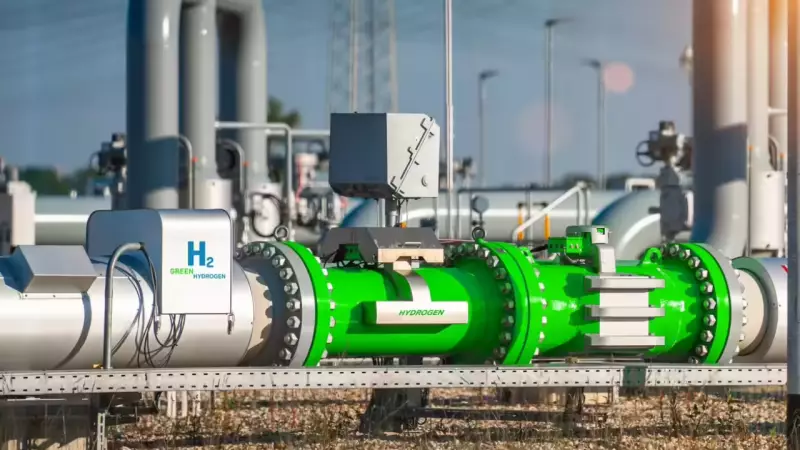
In its detailed pre-Budget memorandum, Assocham has pinpointed several critical areas requiring government support. A primary focus is on promoting hydrogen-based direct reduced iron (DRI) production, a cleaner alternative to traditional coal-based methods. The chamber has urged the government to roll out specific incentives to make this technology viable for producers.
Furthermore, Assocham has advocated for access to concessional green finance to fund the sector's decarbonisation efforts. It also recommended incentives for adopting waste-heat recovery systems and setting up renewable energy captive power plants within steel units. The body emphasised that these measures are not just environmentally imperative but also crucial for long-term economic resilience.

Strengthening the circular economy is another key pillar. Assocham has pushed for policies that incentivise scrap collection and recycling. It underlined that strengthening domestic recycling infrastructure through skilling initiatives is essential to reduce India's heavy dependence on imported raw materials and create a self-sustaining ecosystem.
Addressing Pressing Sectoral Challenges
The recommendations come at a time when the Indian steel sector, despite being the world's second-largest producer after China and growing at a healthy 8-9 per cent rate, faces significant headwinds. Assocham highlighted persistent issues like elevated input costs, a depreciating rupee, and a heavy reliance on imported coking coal, exacerbated by negligible domestic mineable reserves.
The industry body also raised a red flag on iron ore availability, noting that domestic production has remained stagnant. It pointed out that several auctioned mines are yet to commence operations, while rising domestic steel demand and continued iron ore exports are tightening supply and pushing up costs for local mills.
Positioning India as a Global Steel Hub
Assocham views the upcoming Budget as a pivotal opportunity to position India as a global manufacturing hub for steel and value-added products under the 'Make in India' initiative. To achieve this, it has called for a multi-pronged strategy.
This includes promoting iron ore beneficiation to improve quality, removing import duties on critical raw materials to ease cost pressure, and rationalising royalty calculations to address issues of double taxation. The chamber stressed that targeted policy support can transform the decarbonisation challenge into a strategic opportunity.
Finally, Assocham underscored the need to incentivise research and development in crucial areas like steel recycling, alloy innovation, and process digitisation. It argued that such investments would boost productivity and reduce India's dependence on imports of high-grade and speciality steel, completing the vision for a self-reliant and green steel industry.