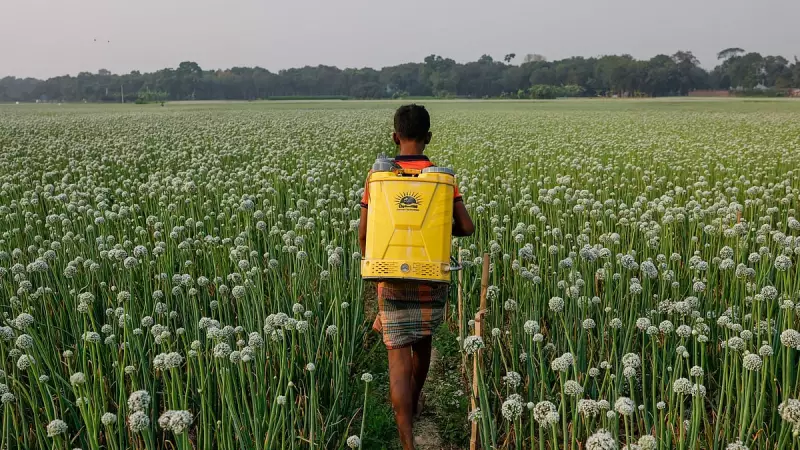
A dangerous insecticide, officially prohibited by the government following a tragic incident that claimed the lives of dozens of cultivators, is reportedly still available in the market, raising serious concerns about enforcement and farmer safety.
The Tragic Origin of the Ban
The decision to outlaw the chemical was not taken lightly. It came after years of relentless activism and pressure from agricultural communities. The catalyst was a devastating event in October 2017 in the Yavatmal district of Maharashtra, where 35 farmers lost their lives due to exposure to the toxic substance while spraying their crops.
This mass casualty event shocked the nation and highlighted the severe risks associated with certain agrochemicals. It prompted widespread demands for stricter regulations and a ban on the specific insecticide responsible.

Official Action and Continued Failure
Responding to these demands, the central government finally issued a formal ban. The prohibition was enacted through an official gazette notification dated September 29, 2025. This legal document was meant to permanently remove the hazardous product from circulation, preventing further harm to India's farming population.
However, experts now reveal a disturbing gap between policy and practice. Despite the clear legal directive, the banned insecticide continues to be sold in various regions. This indicates a critical failure in supply chain monitoring, market enforcement, and the implementation of the government's own order.
Consequences and the Call for Accountability
The continued availability of this banned substance poses a direct and immediate threat to farmer health and lives. Every day the product remains on shelves increases the risk of another poisoning incident. It undermines the very purpose of the ban, which was to prevent a repeat of the Yavatmal tragedy.
This situation points to several systemic issues:
- Weak enforcement mechanisms at the ground level.
- Possible illegal manufacturing or smuggling of the product.
- Lack of awareness among some farmers and retailers about the ban.
- Inadequate penalties for those who flout the regulation.
Agricultural experts and safety advocates are urging state and central authorities to launch immediate crackdowns. They demand rigorous raids on warehouses and retail outlets, stringent action against manufacturers and distributors circumventing the law, and widespread awareness campaigns to inform farmers about the banned product and safer alternatives.
The shadow of the 35 deaths in Yavatmal looms large over this issue. The promise of the 2025 ban remains unfulfilled until the last packet of this insecticide is removed from the market, ensuring that the sacrifice of those farmers was not in vain.