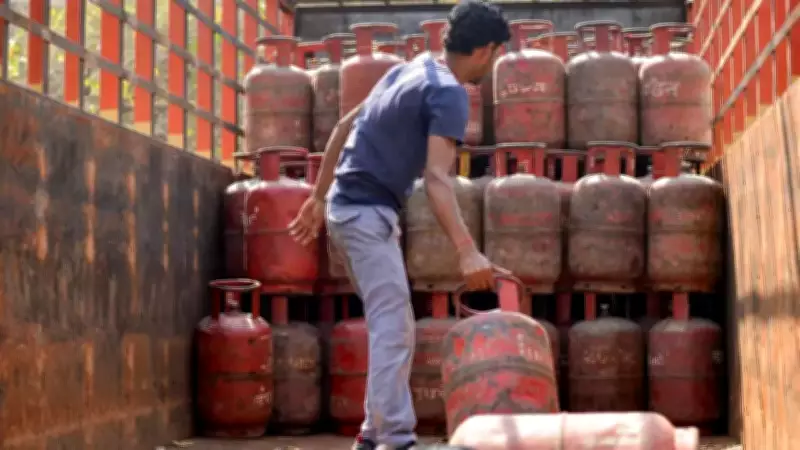
Bengaluru Hotels Face LPG Crisis Amid Geopolitical Tensions, Threatening Food Services
Amid escalating geopolitical tensions in West Asia, hotels and self-service eateries across Bengaluru reported an unexpected and severe shortage of commercial LPG cylinders on Monday. This development has sparked fears of significant disruption to the city's extensive food service industry, with many establishments potentially facing temporary shutdowns.
Immediate Supply Crisis and Industry Warnings
The Bangalore Hotels Association has issued a stark warning, indicating that numerous small and medium-scale eateries may be compelled to suspend operations temporarily if the current supply situation does not improve. P C Rao, the honorary president of the association, revealed the alarming extent of the shortage. "Only about 10% of hotels and restaurants in Bengaluru received their LPG supply today," Rao stated. "We have gas to keep our kitchens running only until Tuesday afternoon or evening."
According to hoteliers, distributors attributed the supply cut to 'instructions' from the Union Ministry of Petroleum and Natural Gas, which reportedly mandated prioritizing LPG supply for domestic consumers over commercial users. This sudden shift in policy has left the hospitality sector scrambling for alternatives.

Piped Gas Networks Provide Limited Relief
Establishments connected to piped gas networks have, so far, remained unaffected by the crisis. The association estimates that approximately 10 to 15 percent of city hotels and restaurants receive piped gas from GAIL (India) Limited and continue to enjoy uninterrupted supply. However, this represents only a small fraction of the industry, leaving the vast majority vulnerable to the LPG shortage.
Industry Concerns Over Sudden Disruption and Price Hikes
Industry representatives acknowledged that international developments could inevitably affect supply chains but expressed deep concern over the abrupt and complete nature of the disruption. Subramanya Holla, the president of the association, articulated the industry's position clearly. "We will be fine if the supply is reduced, as we understand the situation, but the government can't leave us with a full cut-down," Holla emphasized.
Compounding the crisis, industry members highlighted that this supply shock coincides with a sharp rise in LPG prices, placing additional financial strain on eateries already grappling with operational challenges.
Scale of the Impact and Broken Assurances
According to the hotels' association, Bengaluru is home to nearly 40,000 small, medium, and large-scale hotels and restaurants, while Karnataka state has around 1 lakh such establishments. This sudden LPG shortage has left restaurant owners bewildered, especially after the central government had previously assured that commercial LPG supplies would not be halted.
Veerandra Kamath of Kamath Food Chain and secretary of the Bangalore Hotels Association disclosed that the industry had proactively raised its concerns with authorities and even submitted a formal memorandum to the Union petroleum minister. "But his assurances seem to be short-lived," Kamath lamented, reflecting widespread frustration over the perceived lack of follow-through on government promises.
Vulnerability of Small Eateries and Darshinis
Smaller darshinis, which are an integral and beloved part of Bengaluru's unique food culture, are particularly vulnerable to this crisis. Most operate in compact spaces with minimal storage capacity, maintaining LPG stocks sufficient for only one or two days. Typically, such eateries consume three to four 19-kg cylinders daily, making them highly dependent on regular and reliable supply chains.
The combination of storage limitations and high daily consumption means that these small businesses have virtually no buffer to withstand supply disruptions, putting their immediate survival at risk.
As the situation unfolds, the hospitality industry in Bengaluru remains on edge, hoping for swift government intervention to restore commercial LPG supplies and prevent widespread closures that could disrupt the city's vibrant food ecosystem and affect thousands of livelihoods.