

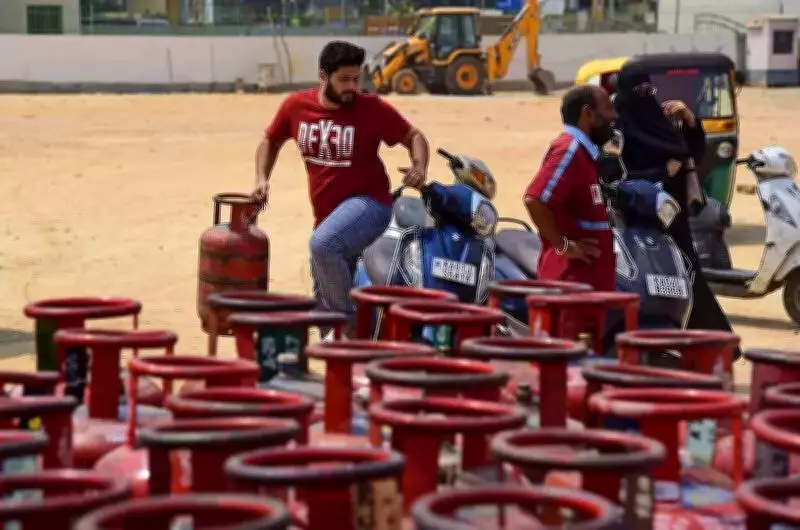
Bengaluru's LPG Crisis Worsens, Eateries Struggle to Serve Daily Meals
As the commercial LPG shortage persists in Bengaluru, its ripple effects are intensifying, particularly for those who depend on eateries for their daily sustenance. Migrant workers, students, and professionals residing in paying guest accommodations or rented homes without kitchen facilities are finding themselves with dwindling food options and extended waiting periods at hotels and darshinis across the city.
Eateries Adapt with Limited Menus and Price Adjustments
Numerous small eateries catering to this vulnerable population have been forced to make significant operational changes. Many have either reduced their menu offerings or adjusted prices for specific items in an effort to conserve the scarce LPG supplies. Customers report that dishes requiring prolonged cooking times or higher gas consumption, such as biryanis, porottas, chapatis, and kebabs, are gradually vanishing from menus. Additionally, several kitchens are closing earlier than usual or operating with fewer burners to manage the crisis.
Residents Forced to Alter Routines Amid Food Scarcity
For residents unable to cook at their places of stay, the disruption has necessitated major adjustments to their daily routines. While some are making do with whatever food is available, others are increasingly turning to instant food items or quick snacks when proper meals are unattainable outside. This shift is not only inconvenient but also impacts nutrition and overall well-being.

Firsthand Accounts Highlight Widespread Impact
Athul Krishna PS, a visitor to Bengaluru, shared his experience: "I was looking for lunch in Indiranagar, but a place shown as open on Google was completely shut. At Paragon, we found it closed early and later offered only a limited menu without their usual biryanis. Breakfast options were scarce, and we ended up at a roadside eatery with significant delays."
Abel Philip, a student at St Joseph's University, noted: "Without a kitchen, I eat out regularly. I've seen menus shrink and service slow down, with darshinis using just one burner instead of two, causing longer waits."
Two professionals from Richmond Road, who preferred anonymity, added: "Coffee and tea prices have risen by Rs 2, hitting students hard. Many hotels have stopped making items like porotta and kebabs, focusing on rice dishes, and some have shut for days."
Sai Kiran from Bannerghatta Road expressed disappointment: "We couldn't enjoy our favorite fried snacks over the weekend due to the LPG issue—it's the same everywhere, spoiling our plans."
Pranay P, staying in a PG in Marathahalli, recounted: "Our hostel menu is now limited to upma and dal. At a Whitefield restaurant, most dishes were unavailable because of the shortage, forcing us to settle for ordinary noodles."
Broader Implications for Bengaluru's Food Scene
The LPG shortage is not just a temporary inconvenience but a significant crisis affecting Bengaluru's vibrant food culture. It underscores the city's reliance on commercial gas supplies and highlights the vulnerabilities of those without cooking facilities. As eateries continue to grapple with limited stock, the situation calls for urgent attention to ensure food security for all residents, especially the transient population that forms the backbone of the city's workforce and academic community.






