

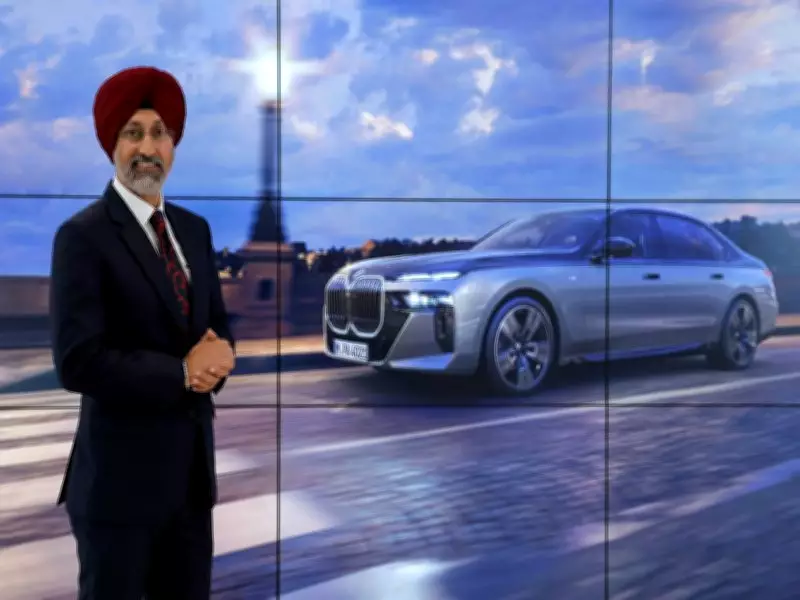
West Asia Geopolitical Tensions Speeding Up India's Electric Vehicle Transition, Says BMW India CEO
Vikram Pawah, the Chief Executive Officer of BMW Group India, has highlighted a significant trend emerging in the Indian automotive market. According to his observations, the ongoing geopolitical conflict in West Asia is acting as a catalyst, accelerating the shift towards electric vehicles (EVs) among Indian consumers. This insight sheds light on how global events are directly influencing local market dynamics and consumer preferences.
Geopolitical Factors Driving Consumer Behavior
Pawah explained that the instability in West Asia, a region crucial for global oil supplies, is prompting Indian buyers to reconsider their reliance on traditional fossil fuel-powered vehicles. The uncertainty surrounding oil prices and supply chains due to the conflict is making electric mobility a more attractive and secure alternative. This shift is not merely about environmental consciousness but is increasingly viewed as a strategic move towards energy independence and economic stability.
The CEO emphasized that this trend is particularly noticeable among premium car buyers, who are often early adopters of new technologies. As geopolitical tensions contribute to volatility in fuel costs, consumers are becoming more inclined to invest in EVs, which offer lower long-term operating expenses and reduced exposure to fluctuating oil markets.

BMW's Strategic Response and Market Position
In response to this accelerating demand, BMW Group India is actively expanding its electric vehicle portfolio in the country. The company has introduced models like the BMW iX and BMW i4, with plans to launch more EVs in the coming years. Pawah noted that BMW is committed to supporting India's transition to sustainable mobility by enhancing its charging infrastructure and offering comprehensive customer support for EV owners.
"The conflict in West Asia is underscoring the importance of diversifying energy sources in transportation," Pawah stated. "We see this as an opportunity to align with consumer aspirations for cleaner, more reliable mobility solutions."
Broader Implications for India's Automotive Industry
This trend highlighted by BMW's CEO reflects a broader transformation within India's automotive sector. The push towards electric vehicles is gaining momentum, driven not only by government policies and environmental goals but also by external geopolitical factors. Industry analysts suggest that such conflicts could hasten India's journey towards becoming a major EV market, potentially reducing the country's oil import dependency and enhancing energy security.
Key points from Pawah's analysis include:
- Increased consumer awareness about the risks associated with fossil fuel dependence due to geopolitical unrest.
- A growing preference for EVs as a hedge against unpredictable fuel prices and supply disruptions.
- Enhanced investment and innovation in the EV ecosystem by automakers like BMW to meet rising demand.
As India continues to navigate its path towards electric mobility, insights from industry leaders like Vikram Pawah underscore the complex interplay between global events and local market shifts. The West Asia conflict, while challenging, appears to be inadvertently fueling a positive change in India's automotive landscape, pushing both consumers and manufacturers towards a more sustainable future.






