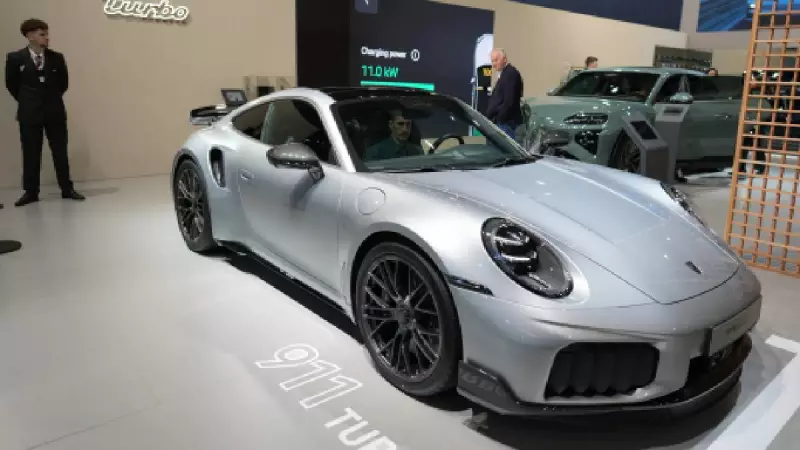
European Luxury Cars Poised for Price Cuts in India with Impending EU Trade Agreement
In a significant development for automotive enthusiasts and high-end car buyers across India, premium European automobile brands such as BMW, Mercedes-Benz, and Lamborghini are expected to see substantial price reductions. This anticipated affordability boost stems from a landmark trade deal between India and the European Union, which is steadily progressing toward full implementation, with key provisions likely to take effect by 2026.
How the EU-India Trade Pact Will Reshape Luxury Car Pricing
The core mechanism driving this potential price drop involves a phased reduction in import duties on vehicles imported from the European Union. Currently, India imposes hefty tariffs on imported cars, often exceeding 100%, which significantly inflates the final showroom prices of luxury models. The new trade agreement aims to systematically lower these barriers, making European luxury cars more accessible to Indian consumers.
Industry analysts highlight that this move could democratize luxury car ownership, expanding the market beyond ultra-high-net-worth individuals to include affluent professionals and business owners. The reduced costs may also spur competitive pricing strategies among European automakers, potentially leading to more attractive financing options and promotional offers.

Broader Implications for India's Automotive and Economic Landscape
Beyond consumer benefits, the trade deal's implementation is poised to have ripple effects across multiple sectors:
- Boost to Luxury Car Sales: With lower prices, sales volumes for brands like BMW, Mercedes-Benz, and Lamborghini are projected to rise, contributing to increased revenue and market share in India's growing luxury segment.
- Enhanced Trade Relations: This agreement underscores strengthening economic ties between India and the EU, potentially paving the way for more collaborative ventures in automotive technology and manufacturing.
- Competitive Dynamics: Domestic luxury car manufacturers and other international brands may respond with their own pricing adjustments or enhanced features to maintain competitiveness.
- Economic Growth: Increased automotive sales can stimulate ancillary industries, including auto financing, insurance, and aftermarket services, thereby supporting broader economic activity.
As the 2026 implementation timeline approaches, stakeholders are closely monitoring negotiations to ensure a smooth transition. This development marks a pivotal moment in India's automotive history, promising to transform the luxury car market and offering a glimpse into the future of international trade collaborations.