BMW Sounds Alarm on Chinese Car Threat Through EU Trade Deal
German luxury carmaker BMW has raised serious concerns about potential Chinese market entry through India's proposed trade agreement with the European Union. The company warns that Chinese manufacturers might exploit this pact to access the Indian automotive market, potentially undermining existing investments.
Protecting Domestic Investments
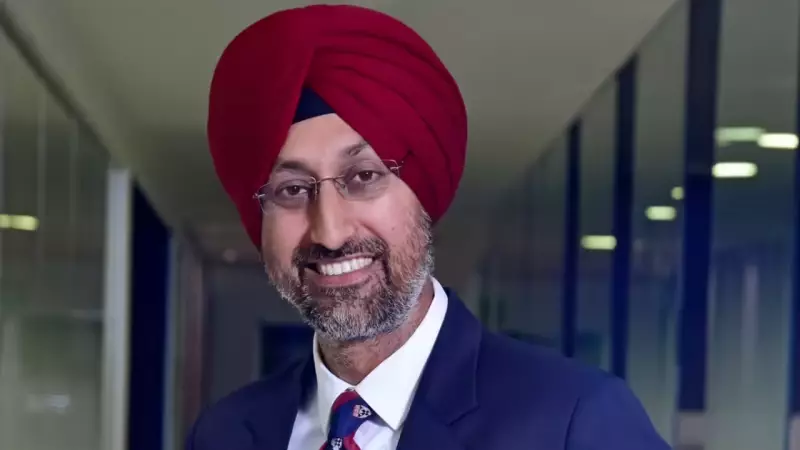
BMW Group India president and CEO Hardeep Singh Brar expressed specific worries about smaller vehicles entering the market. "The apprehension is if small cars start coming into India, then they will spoil existing investment," Brar told TOI. He emphasized the significant cost differences in production between countries, noting India's competitive pricing advantage could be threatened.
Brar proposed concrete safeguards for the trade agreement. "They can always put a cap of, let's say, cars above 20,000-30,000 euros (over Rs 21 lakh). That is possible, which can help the luxury car buyer without really impacting small buyers."

Preventing Circumvention
The BMW executive stressed the importance of preventing Chinese manufacturers from finding loopholes in any trade agreement. "The second important thing is to make sure that the Chinese do not circumvent this... it's very important that this part is taken care of," Brar stated clearly.
Indian automobile manufacturers share similar concerns about Chinese electric vehicle companies entering through what they describe as a "backdoor." Multiple industry players have petitioned the government to implement strict checks within the trade pact, which currently sits in final negotiation stages.
Suggested Safeguards
Industry representatives have proposed several protective measures:
- Establishing high price thresholds for imported vehicles
- Implementing limited import quotas
- Requiring substantial value addition within India
These measures aim to balance trade benefits with protection for domestic manufacturing investments.
BMW's Electric Vehicle Strategy
Despite these concerns, BMW continues to push forward with its electrification plans in India. The company has announced ten new products for this year, including six completely new models and four upgrades to existing vehicles. Three of these new offerings will be electric vehicles.
Brar revealed BMW's pricing strategy for electric models. "The company plans to offer EVs at near price parity with internal combustion models," he explained. This approach aims to make electric vehicles more accessible to Indian consumers.
Focus on Luxury Segment
The luxury car manufacturer will concentrate on long-wheelbase vehicles in the Indian market. Brar highlighted their successful formula, saying, "A combination of electrification and a long wheelbase is what really helped us." This strategy targets India's growing premium automotive segment.
Charging Infrastructure Concerns
Brar identified charging infrastructure as the most critical gap in India's electric vehicle ecosystem. He emphasized the need for strengthening both the EV market and luxury vehicle segment simultaneously.
The BMW executive suggested a practical solution for addressing infrastructure challenges. He proposed using public-private partnership models to install and maintain charging stations across the country. This approach could accelerate the development of necessary infrastructure while sharing costs and responsibilities.
The trade agreement negotiations between India and the European Union continue as automotive manufacturers voice their concerns and suggestions. The final terms will significantly impact how international carmakers, particularly from China, access the growing Indian market.