Decoding Your Car's Dashboard Warning Lights: Essential Knowledge for Every Driver
In today's modern vehicles, the instrument cluster serves as a critical communication hub between the car and its driver. Dashboard symbols are specifically designed to inform motorists about the vehicle's operational status, active safety systems, and potential mechanical issues that may require attention. While some icons simply indicate that a particular feature is currently active, others serve as urgent warnings about faults that could lead to serious damage or safety risks if ignored.
The Critical Importance of Understanding Dashboard Alerts
Despite their importance, many drivers remain unfamiliar with the precise meanings of these dashboard symbols. This knowledge gap often leads to warning lights being either completely ignored or misinterpreted until the underlying issue escalates into a serious problem. These alerts can relate to numerous vehicle systems including the engine, braking mechanisms, tire pressure monitoring, battery charging, and various safety features. Properly understanding these indicators enables drivers to identify potential issues at an early stage and take appropriate corrective action. Recognizing and responding to dashboard warnings promptly can significantly improve overall vehicle safety while helping to avoid expensive repair bills down the road.
Common Dashboard Warning Lights and Their Meanings
Check Engine Light
The check engine light, typically appearing as an engine-shaped icon, indicates that your vehicle's onboard diagnostic system has detected a fault within the engine or emissions-related systems. This sophisticated system continuously monitors various sensors and control units throughout the vehicle, activating the warning light when it detects abnormal readings or a malfunction. The alert can be triggered by a wide range of issues, from relatively minor problems like a loose fuel cap affecting the emissions system to more significant faults involving critical components such as the catalytic converter, oxygen sensor, ignition system, or fuel delivery mechanism. The exact cause can only be properly identified through a professional diagnostic scan using specialized equipment.

Diesel Particulate Filter (DPF) Regeneration Warning
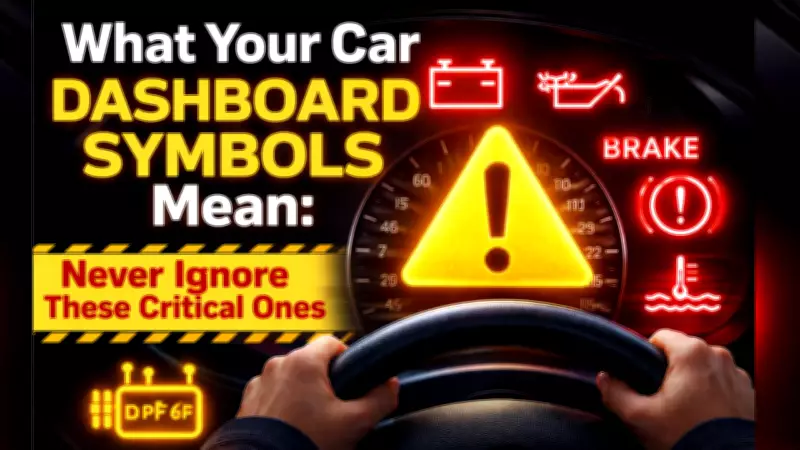
The DPF regeneration warning light specifically indicates that the diesel particulate filter within your vehicle's exhaust system requires regeneration. This specialized filter is engineered to trap soot particles produced during diesel combustion, thereby reducing harmful emissions. Over time, soot accumulates within the filter and must be removed through a regeneration process where the particles are burned at high temperatures and converted into ash. This regeneration typically occurs automatically during steady driving conditions, particularly at highway speeds when exhaust temperatures naturally reach higher levels.
However, frequent short trips or consistent low-speed driving may prevent the system from reaching the necessary temperature for automatic regeneration. This can lead to excessive soot buildup within the filter, subsequently activating the warning light. When this light appears, drivers are generally advised to continue driving at a steady speed for an extended period to allow the regeneration process to complete successfully. During this procedure, you may notice slight increases in engine temperature or idle speed, which is normal.
Oil Pressure Warning
The oil pressure warning light, usually depicted as an oil can symbol, indicates that engine oil pressure has dropped below the required operational level. Engine oil serves multiple critical functions including lubricating internal components, reducing friction between moving parts, and helping regulate engine temperature. Low oil pressure may occur due to insufficient engine oil quantity, a failing oil pump, blocked oil passages, or a significant oil leak. Worn engine components can also negatively affect proper oil circulation throughout the system.

Driving with low oil pressure can cause severe damage to engine parts due to inadequate lubrication. If this warning light illuminates while driving, you should safely stop the vehicle as soon as possible and check the engine oil level immediately. If the issue persists even after checking oil levels, the vehicle should be professionally inspected before any further driving occurs.
Engine Temperature Warning
The engine temperature warning light, typically showing a thermometer symbol, indicates that your engine temperature has exceeded safe operating limits. Excessive heat can damage vital components including cylinders, pistons, and gaskets. Overheating may be caused by low coolant levels, cooling system leaks, or faults in critical parts such as the radiator or water pump. If this warning appears while driving, you should stop the vehicle promptly, switch off the engine completely, and allow sufficient time for the engine to cool before attempting to continue your journey or investigate further.
Battery Warning Light
The battery warning light indicates a potential fault within your vehicle's charging system. When this symbol illuminates, it signifies that the battery is not receiving sufficient charge while the engine is running. The charging system typically includes the battery itself, the alternator, and related electrical components that power various systems including lighting, sensors, infotainment systems, and engine controls. If the light turns on while driving, it may suggest that the alternator is not supplying adequate power to recharge the battery properly. Possible causes include a faulty alternator, a worn battery, a damaged drive belt, or wiring issues within the charging system.
Coolant Temperature Warning
The coolant temperature warning light specifically indicates that your engine is overheating. The cooling system regulates engine temperature by circulating coolant through the engine block and radiator. Overheating may occur due to low coolant levels, thermostat failure, radiator issues, or a malfunctioning water pump. Driving with an overheated engine can cause significant mechanical damage. If this warning light appears, drivers should stop the vehicle safely, switch off the engine completely, and allow it to cool adequately before checking the cooling system components.
Airbag Warning
The airbag warning light signals a potential fault within the vehicle's airbag system. This comprehensive safety system includes airbags themselves, impact sensors, control modules, and related wiring designed to deploy airbags during a collision. If the warning light remains illuminated continuously, it may indicate that one or more components are not functioning correctly. Consequently, the airbags may fail to deploy properly during an accident scenario. The vehicle should be inspected by a qualified technician to ensure that this critical safety system operates as intended.
ABS Warning Light
The Anti-lock Braking System (ABS) warning light indicates a malfunction within the ABS system. ABS technology helps prevent wheels from locking during sudden braking maneuvers, allowing the driver to maintain steering control. If this warning light appears, the ABS may not function correctly during emergency braking situations. While the conventional braking system may still operate, the risk of wheel lock-up during hard braking increases significantly. Drivers should have the vehicle professionally checked if this light remains illuminated.
Brake System Warning
The brake system warning light indicates a possible problem with your vehicle's braking system. It may appear when the parking brake is engaged, but it can also signal other serious issues. Possible causes include low brake fluid levels, worn brake pads, or a malfunction within the braking system itself. In some cases, the light may also indicate a fault within the Anti-lock Braking System (ABS). If the warning light remains on after releasing the parking brake, the entire braking system should be inspected immediately. Faults in this system can negatively affect braking performance and increase stopping distances dangerously.
Tyre Pressure Warning
The tyre pressure monitoring system (TPMS) warning light indicates that one or more tyres have low air pressure. Correct tyre pressure is essential for vehicle stability, optimal braking performance, and fuel efficiency. Under-inflated tyres can cause uneven wear patterns and increase the risk of tyre damage, particularly during long drives or at higher speeds. When this warning appears, drivers should check the pressure in all tyres and inflate them to the recommended levels specified in the owner's manual or door placard.
Fuel Indicator Light
The fuel indicator light signals that the fuel level in the tank has reached a low level. This alert typically appears when the vehicle reaches its reserve fuel capacity. Driving with very little fuel may cause the fuel pump to overheat, as it relies on fuel for proper cooling. Running out of fuel completely can leave the vehicle stranded and may introduce debris from the bottom of the tank into the fuel system. Refuelling the vehicle promptly helps avoid these potentially problematic situations.
Power Steering Warning
The power steering warning light indicates a problem with the steering assistance system. Power steering technology reduces the physical effort required to turn the steering wheel, especially at lower speeds. If this warning light appears, steering may become noticeably heavier and more difficult. The issue may be caused by low power steering fluid, a faulty pump, or an electrical fault in vehicles equipped with electric power steering systems. The steering system should be professionally inspected if this warning persists.
Traction Control Warning
The traction control warning light indicates a problem with the traction control system. This advanced system helps prevent wheel spin during acceleration, particularly on slippery surfaces such as wet roads, snow, or ice. If wheel slip is detected, the system may automatically reduce engine power or apply braking force to individual wheels to maintain optimal traction. If the warning light remains illuminated, the system may be malfunctioning or temporarily disabled. Drivers should exercise additional caution in such conditions.
Transmission Warning Light
The transmission warning light indicates a potential fault within your vehicle's transmission system. Modern vehicles utilize sophisticated sensors and control modules to continuously monitor transmission performance. The warning may appear if the system detects abnormal conditions such as high transmission temperature, low fluid levels, or irregular gear shifting patterns. In some cases, the issue may also involve the transmission control module or related electronic components. Overheated transmission fluid represents a common cause of this warning. Transmission fluid serves to lubricate internal components and help maintain proper operating temperatures. If the fluid level is low or the fluid has deteriorated over time, cooling and lubrication capabilities may be reduced, leading to increased friction and premature wear.