

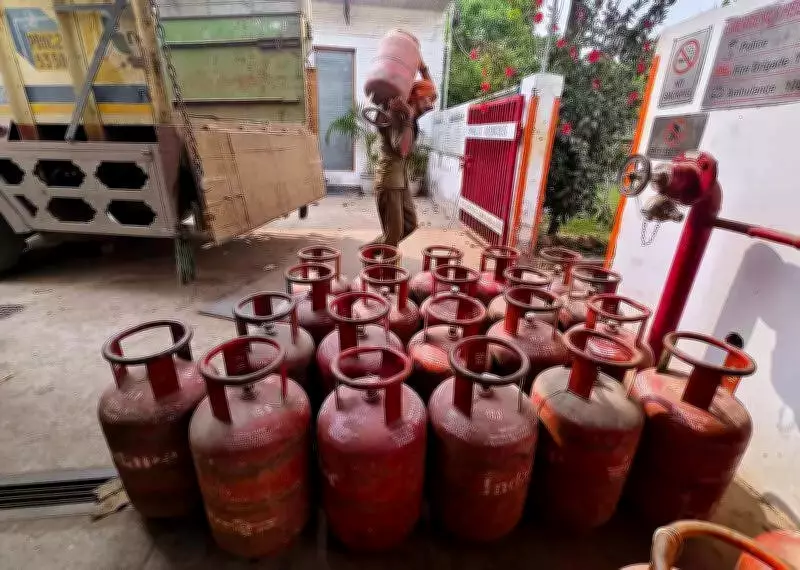
Chandigarh Faces LPG Supply Crisis as Businesses Grapple with Shortages and Soaring Prices
In Chandigarh, a growing crisis surrounding LPG supply is causing significant distress among residents and businesses, despite oil companies' assurances of adequate stock levels. The situation has been exacerbated by the ongoing conflict in the Middle East, which is creating ripple effects across global energy markets.
Commercial Sector Hit Hard by Supply Disruptions
Traders and vendors across Chandigarh are reporting severe difficulties in procuring commercial LPG cylinders, which have become both substantially more expensive and increasingly scarce. According to Sanjeev Chadha, president of the local market association, the supply chain has been severely disrupted.
"We are not receiving commercial cylinders on a regular basis," Chadha explained. "Approximately 30% of traders are getting fewer cylinders than they need, while some businesses are not receiving any supply at all. This has forced some vendors to resort to using diesel as an alternative fuel source, which is neither efficient nor cost-effective."

Sweet shop owners have echoed these concerns, highlighting both supply shortages and dramatic price increases. One shop owner revealed, "Previously, a cylinder would cost around Rs 1,300 after subsidies. Now, the price has skyrocketed to nearly Rs 1,900, representing an increase of about Rs 600. Even with these higher prices, timely delivery of cylinders has become increasingly unreliable."
Hospitality Industry on Edge as Costs Escalate
The hospitality sector in Chandigarh is particularly vulnerable to these supply chain disruptions. Hoteliers and restaurant owners are expressing growing apprehension about the availability of commercial LPG cylinders, with the Middle East conflict already driving up operational costs.
Ankit Gupta, president of the Chandigarh Hospitality Association, provided insight into the current challenges. "While LPG cylinder supply is technically available, dealers have eliminated the bulk discounts that were traditionally offered for commercial purchases," Gupta stated. "These discounts disappeared shortly after the conflict began. Currently, hotels and restaurants are managing within these constraints, but prolonged conflict will inevitably create greater problems for our industry."
Manmohan S Kohli, chairperson of the Chandigarh Hotel Association, noted that larger establishments have transitioned to PNG supply, which remains stable. However, smaller restaurants and eateries continue to face significant challenges. "For smaller restaurants and dhabas, commercial cylinder availability is becoming a serious concern. If hostilities persist, gas supply issues could affect all hospitality businesses," Kohli warned.
Government Intervention Urged Amid Profiteering Concerns
A prominent city-based restaurant owner, who requested anonymity, called for immediate government action. "The administration should intervene promptly, as it appears some retailers may be manipulating commercial cylinder availability," the owner asserted. "While most restaurants currently maintain some stock, if local suppliers continue restrictive practices, we could soon face severe operational problems. This could lead to restaurant closures, negatively impacting the hospitality and tourism sectors, and ultimately affecting employment generation unless authorities prevent any profiteering."
Public Anxiety Grows Over Long-Term Implications
Citizens have expressed broader concerns about potential future disruptions if the war situation continues indefinitely. Hitesh Puri, chairman of Crawfed, highlighted the growing anxiety among residents. "People are worried about contingency measures if the conflict extends over a longer period. Already, we're seeing price increases for domestic cylinders, adding to household financial pressures," Puri noted.

Oil Companies Maintain Domestic Supply Stability
Despite these widespread concerns, officials from Indian Oil Corporation have assured the public that domestic LPG supplies remain stable. A senior Indian Oil official emphasized that over 80% of LPG bookings are processed online, with a 25-day gap between bookings implemented to streamline distribution.
"There are no issues with domestic supply. We maintain sufficient stock levels, and there is no need for public panic," the official stated confidently.
Gas agencies in Mohali and Panchkula have confirmed that domestic consumers are not experiencing shortages, though some restrictions apply to commercial users. Petrol pump dealers have similarly reported no current fuel shortages, suggesting the supply chain challenges are primarily concentrated in the commercial LPG sector.
The situation in Chandigarh highlights the complex interplay between global conflicts and local economies, with businesses caught between supply uncertainties and rising operational costs while authorities work to maintain essential energy distribution.





