Severe Chilli Shortage Cripples Byadagi International Market
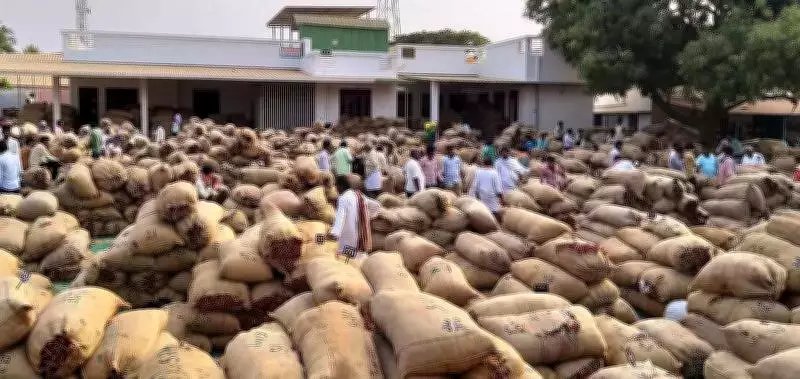
The Byadagi international market in Haveri, Karnataka, which typically overflows with millions of chilli bags during peak season, is confronting a severe supply crisis this year. The market has nearly shut down due to scarcity, affecting traders and spice companies across the state and country.
Unprecedented Decline in Supply
In January and February, the market usually bustles with activity as millions of chilli bags arrive from key producing regions. However, this year has seen a dramatic shortage, leaving traders disappointed as the second week of the month brought no relief. For decades, from December to March, chillies from Andhra Pradesh, Ballari, Anantapur, and Srisailam flooded the market, often leaving no space. This season, the market stands empty, as if chilli cultivation has ceased entirely.
Local and Interstate Supply Vanishes
Traditionally, the first two months of the season see local chillies from Kundagol, Annigeri, Antur-Bentur, and Gadag regions arriving at the market. This year, there has been no supply of local chillies or seed varieties from other states, causing significant worry among traders. The absence of these key sources has exacerbated the shortage, disrupting the usual trade flow.

Impact on Spice Industry
Large spice companies in Karnataka and nationwide rely heavily on the chilli bags that arrive at Byadagi. Prominent traders purchase these and supply them to these companies. Due to the lack of chilli supply this year, spice companies are facing a substantial shortage, threatening production and supply chains. Even companies extracting oleoresin (oil) from chillies are hesitant to purchase due to price hikes driven by scarcity.
Root Causes of the Shortage
Over the past two years, farmers who cultivated chillies extensively but could not secure good prices have shifted to other commercial crops. This transition, combined with reduced yield and disease issues, is cited as the primary reason for the decline in chilli supply. In 2024, despite extensive cultivation, farmers faced distress due to low prices, leading some miscreants to set fire to vehicles at the local APMC office, causing crores in damage. This year, even with prices soaring higher than gold, the chilli supply has unexpectedly declined, creating a situation where demand far outstrips supply.
Expert Insights and Future Outlook
Suresh Gowda Patil, president of the Traders' Association and former MLA, explained, "This year, chilli supply is not meeting demand. Reasons include reduced yield, decreased cultivation area, farmers' reluctance towards chilli cultivation, and chilli trade occurring only in villages. There is an expectation of a slight increase in supply in the coming months of March and April." This statement highlights the multifaceted challenges facing the market and offers a glimmer of hope for recovery in the near future.
The Byadagi market's crisis underscores broader issues in agricultural sustainability and market dynamics, with implications for the spice industry and regional economy.