

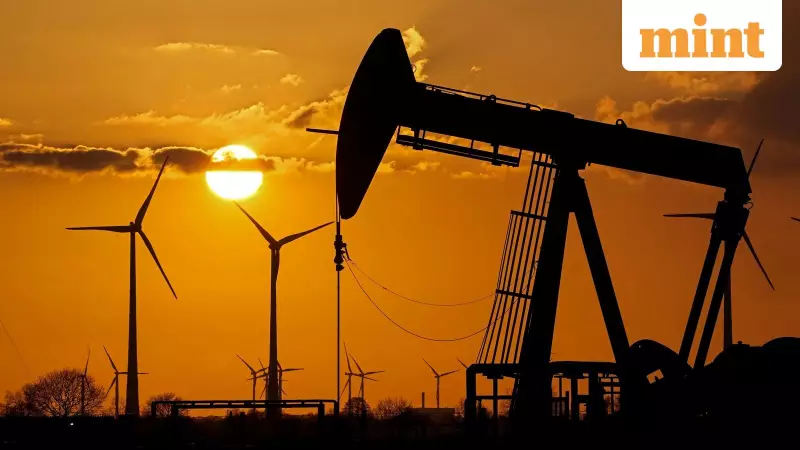
The year 2025 is ending with a powerful signal from global commodity markets: the future is electric. While fossil fuel producers, backed by political support, unleashed a supply boom, it is the soaring prices of metals critical for electrification that are telling the real story of the global energy transition.
Metals for Electrification Shatter Records
As the year drew to a close, the commodities making headlines were not oil or coal, but silver and copper. Silver surged past the historic milestone of $80 per troy ounce for the first time ever on Monday, marking a staggering 18% gain in just one week. Not far behind, copper prices hit a record high of $5.92 per pound, climbing 6.3%.
This isn't a random spike. These metals form the backbone of the electrical revolution. Copper is present in every wire, cable, and motor, prized as the most effective affordable conductor. Silver, the best conductor overall, is used in thin films on critical contact points in electronics. The demand surge is directly linked to clean technology.

The solar industry consumes about one-fifth of the world's silver supply. Electric vehicles (EVs), though a smaller part of demand now, are a fast-growing segment. Each EV uses roughly 70% more silver and three times more copper than a traditional petrol or diesel car. Add to this the hunger for these metals from AI chips and data centres, alongside stagnant mining output, and the price rally becomes clear.
The Fossil Fuel Gamble Backfires
The surge in 'cleantech' metals stands in stark contrast to the fortunes of traditional carbon-based energy. The year began with political promises, like that from US President Donald Trump, to unleash fossil fuel supplies. Major producers acted on this bet.
The Organization of the Petroleum Exporting Countries (Opec) opened its taps, pushing the cartel's output to its highest level since early 2023. In the United States, LNG producers approved a record volume of new export projects. Chinese coal production also hit a new record, rising 1.4% from the previous year.
However, this supply-side gamble has failed to create corresponding demand. Instead, the boom in production is now piling up in inventories and sending prices into a slump. US crude oil futures fell below $55 a barrel in mid-December, near lows last seen during the first Trump administration. Prices for Asian LNG, Dutch gas, and Australian export coal are all hovering around five-year lows.
Inventories Swell as Demand Shifts
The evidence of a miscalculation by fossil fuel producers is mounting across the globe. The volume of crude oil sitting in tankers at sea—either in transit or awaiting a buyer—has reached its highest level since April 2020, a period when prices turned negative due to pandemic-induced demand destruction.
In the gas sector, countries like Egypt, India, and Pakistan have been deferring or cancelling LNG shipments. Japan's Jera Company, historically the world's largest LNG buyer, is now looking to sell its excess supply. In China, about 90% of the increased coal production this year ended up in stockpiles rather than being burned for power.
While fossil fuel interests hold significant political sway, from West Asia to Russia and the United States, the final decision rests with consumers and markets. The price signals are unambiguous. The rising costs of copper, silver, lithium carbonate, and solar-grade polysilicon all point to robust and growing demand for clean energy infrastructure.
The expectation that geopolitical shifts, like the return of the Trump administration, would reaffirm the world's dependence on oil and gas is fading quickly. Just as the shock from Russia's 2022 invasion of Ukraine proved temporary for energy markets, the current political tailwinds for fossil fuels are not translating into lasting market strength. The era of petrostates dominating the global economy is receding, making way for an electric future driven by consumer choice and technological advancement.






