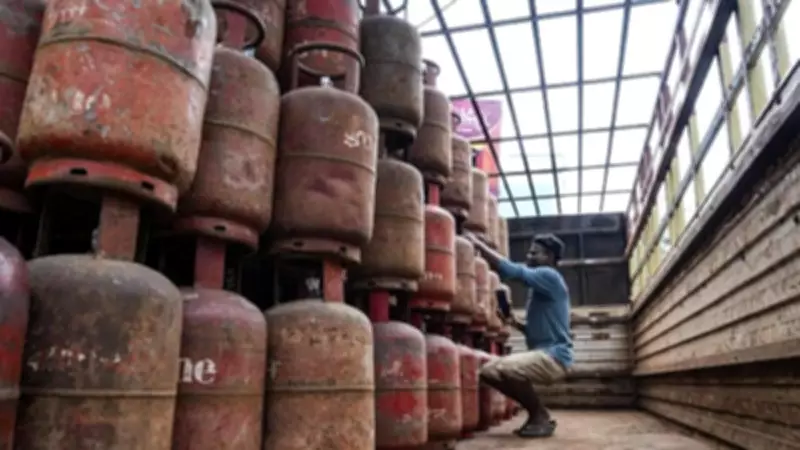
Commercial LPG Cylinder Prices More Than Double, Hitting Rs 4,000 in Major Indian Cities
In a significant development impacting the hospitality sector, commercial LPG cylinder prices have experienced a dramatic increase, rising more than double to reach Rs 4,000 across key metropolitan areas including Bengaluru, Mumbai, and Kolkata. This sharp escalation is creating substantial operational challenges for businesses, particularly restaurants that rely heavily on LPG for cooking.
Restaurant Industry Voices Concerns Over Tight Margins
Sachin Jain, the founder of The Benne Mane, a popular South Indian restaurant located in Bengaluru, highlighted the severe implications of this price hike. He explained that restaurants typically operate on very tight profit margins, and such unexpected and substantial increases in essential input costs make it extremely difficult to manage day-to-day operations effectively.
Jain emphasized that the sudden jump in LPG prices forces restaurant owners to reconsider their pricing strategies, potentially leading to increased menu prices or reduced profitability. This situation adds to the existing pressures faced by the food service industry, which is already grappling with rising costs of other ingredients and labor.

Impact on Daily Operations and Business Sustainability
The price surge to Rs 4,000 per commercial LPG cylinder represents a critical financial burden for establishments. For many restaurants, LPG is a non-negotiable expense required for cooking and food preparation, making this hike unavoidable. Industry experts warn that if sustained, this trend could lead to:
- Increased operational costs that may be passed on to consumers.
- Potential closures or downsizing of smaller eateries with limited financial resilience.
- A ripple effect on the broader economy, as the restaurant sector employs millions and supports agriculture through supply chains.
This development comes amid broader economic fluctuations, underscoring the vulnerability of small and medium enterprises to sudden market changes. Stakeholders are calling for measures to mitigate such shocks, including possible subsidies or price stabilization mechanisms for commercial users.