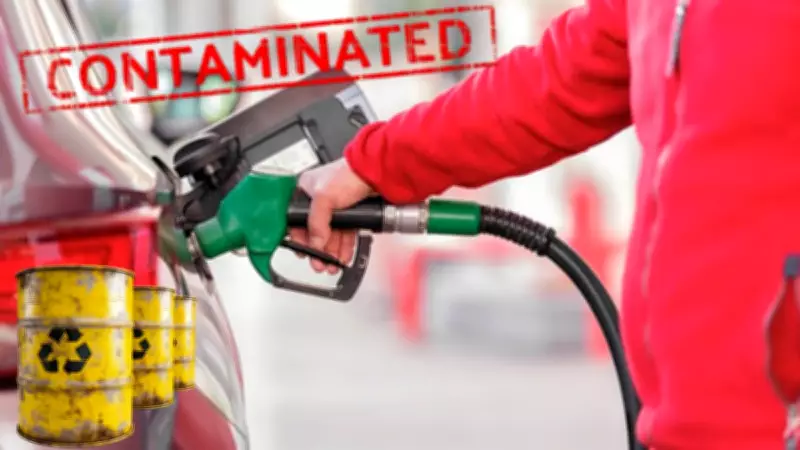
How Contaminated Petrol Damages Your Car
Contaminated petrol can cause extensive damage to your vehicle's engine, fuel system, and emission controls. According to automotive experts, bad fuel often contains water, dirt, rust, or chemical impurities that lead to clogged fuel injectors, damaged fuel pumps, and even engine failure. In severe cases, contamination can result in costly repairs exceeding several thousand rupees.
Common Sources of Fuel Contamination
Contamination typically occurs during storage or transport. Water can enter underground storage tanks through leaks or condensation. Dirt and rust particles may accumulate in old or poorly maintained tanks. Adulteration with cheaper solvents or kerosene is another concern, especially at unverified petrol stations. The Bureau of Indian Standards sets strict quality norms, but violations persist in some regions.
Signs Your Car Has Bad Fuel
If you suspect contaminated petrol, watch for these symptoms: engine misfiring, rough idling, difficulty starting, reduced power, poor fuel economy, and the check engine light illuminating. A knocking sound from the engine or a sulfur-like smell from the exhaust can also indicate bad fuel. Experts recommend pulling over immediately if you experience these issues after refueling.

Immediate Steps After Filling Bad Fuel
If you realize you've pumped contaminated petrol, do not start the engine. Call for roadside assistance and have the fuel tank drained completely. A mechanic will need to flush the fuel system, replace the fuel filter, and inspect the fuel pump and injectors. In serious cases, the fuel tank may require removal and cleaning. According to the Automotive Research Association of India, delaying action can worsen damage.
Long-term Effects on Engine and Emissions
Contaminated fuel can leave deposits on valves, pistons, and spark plugs, reducing engine efficiency and increasing emissions. Water in fuel can cause corrosion in the fuel tank and lines. Over time, this leads to higher maintenance costs and shorter engine life. Modern cars with sensitive fuel injection systems are particularly vulnerable.
How to Protect Your Car from Bad Fuel
To minimize risk, always refuel at reputable, branded petrol stations that display quality certification. Avoid filling up if you see water or sediment at the station's pumps. Consider using a fuel additive that helps remove moisture and clean the system. Keep your fuel tank at least half full to reduce condensation, especially in humid climates. Regular maintenance, including fuel filter changes as per the owner's manual, is crucial.
What to Do If Your Car Is Damaged
If contaminated fuel has caused damage, file a complaint with the petrol station and the local consumer forum. Keep the fuel receipt and a sample of the fuel for testing. Contact your insurance provider to check if your policy covers fuel contamination damage. Some comprehensive policies may cover repair costs. Legal action can be taken under the Consumer Protection Act if the station is found negligent.
Expert Advice on Staying Safe
Automotive expert Ravi Sharma says, "The best defense is prevention. Stick to trusted fuel brands and be alert to any unusual behavior from your car after refueling." The Ministry of Petroleum and Natural Gas also advises consumers to report suspected adulteration to the Petroleum and Explosives Safety Organization. By staying informed and cautious, you can protect your vehicle from the costly consequences of contaminated petrol.