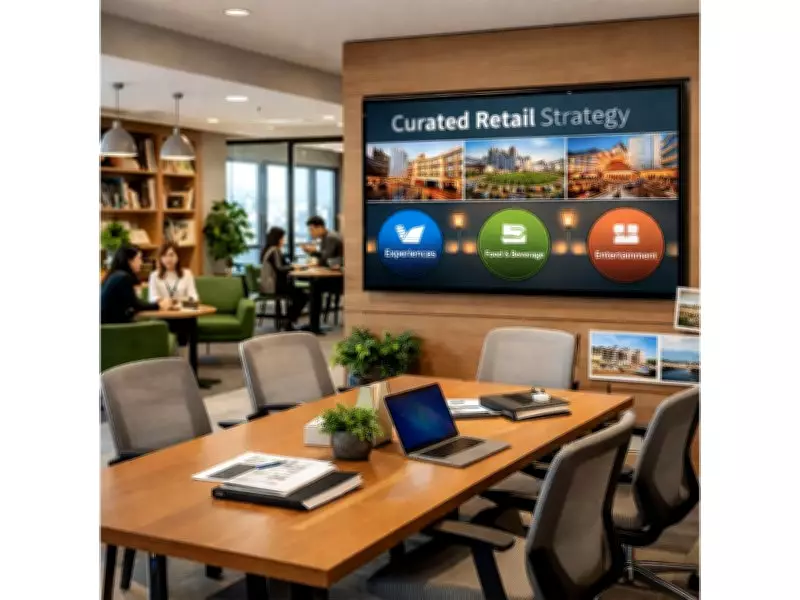
In the evolving landscape of retail, the mantra of 'bigger is better' is making way for a more nuanced approach. Curated retail, where the selection of tenants is as important as the total leasable area, is emerging as the defining strategy for successful malls and shopping centers. The focus is shifting from sheer scale to the quality and synergy of the tenant mix.
The Shift from Scale to Synergy
Historically, mall developers and landlords prioritized large anchor tenants and high occupancy rates. However, with changing consumer behaviors and the rise of e-commerce, footfall alone is no longer sufficient. Today, the emphasis is on creating an ecosystem where each tenant contributes to the overall experience, driving dwell time and repeat visits.
Why Tenant Mix Matters
A well-curated tenant mix does more than just fill space. It creates a balanced offering that caters to diverse customer needs, from dining and entertainment to fashion and services. This synergy encourages cross-shopping, where a visitor to a restaurant may also browse a nearby boutique, increasing sales for all parties. Moreover, a complementary mix reduces direct competition among tenants, fostering a collaborative environment.

Key Elements of a Successful Tenant Mix
- Complementary Categories: Pairing fashion with accessories, electronics with gaming zones, or groceries with home decor ensures that customers find multiple reasons to visit.
- Brand Hierarchy: A mix of luxury, mid-range, and value brands attracts a broader demographic, from aspirational shoppers to bargain hunters.
- Experiential Retail: Including entertainment options like cinemas, arcades, or live event spaces enhances the overall appeal, making the mall a destination.
- Local Flavors: Incorporating local brands and eateries adds uniqueness and supports community engagement, differentiating the mall from generic competitors.
Data-Driven Curation
Modern retailers are leveraging data analytics to refine their tenant mix. Foot traffic patterns, purchase histories, and demographic insights help in selecting brands that resonate with the local audience. This scientific approach reduces vacancy risks and optimizes rental yields. For instance, a mall in a family-dominated neighborhood might prioritize children's play areas and family restaurants over high-end fashion.
The Role of Technology
Technology also enables dynamic leasing strategies. Pop-up stores, rotating exhibitions, and seasonal events allow malls to test new concepts without long-term commitments. This flexibility keeps the tenant mix fresh and responsive to trends.
Case Studies: Success Through Curation
Several malls have successfully implemented curated strategies. For example, a mall in a metropolitan city transformed its food court into a 'food hall' featuring artisanal vendors and chef-driven concepts, attracting foodies and increasing footfall by 30%. Another center replaced a struggling department store with a mix of boutique fitness studios, health cafes, and wellness services, tapping into the health-conscious trend.
Challenges and Considerations
Curated retail is not without challenges. It requires proactive management and constant adaptation. Landlords must balance long-term leases with the need for evolution. Additionally, there is a risk of over-curation, where the mix becomes too niche and alienates broader audiences. Striking the right balance is key.
Future Outlook
As the retail sector continues to evolve, the importance of tenant mix will only grow. Malls that prioritize curation over scale will likely outperform those that rely solely on size. The future of retail spaces lies in creating vibrant, multi-dimensional environments that offer more than just shopping—they offer community, entertainment, and discovery.
In conclusion, the era of one-size-fits-all retail is over. For developers and investors, the lesson is clear: the right tenant mix is now a more critical driver of success than sheer scale. By embracing curated retail, malls can not only survive but thrive in the competitive landscape.