

LPG Crisis Forces Delhi Caterers into Desperate Measures
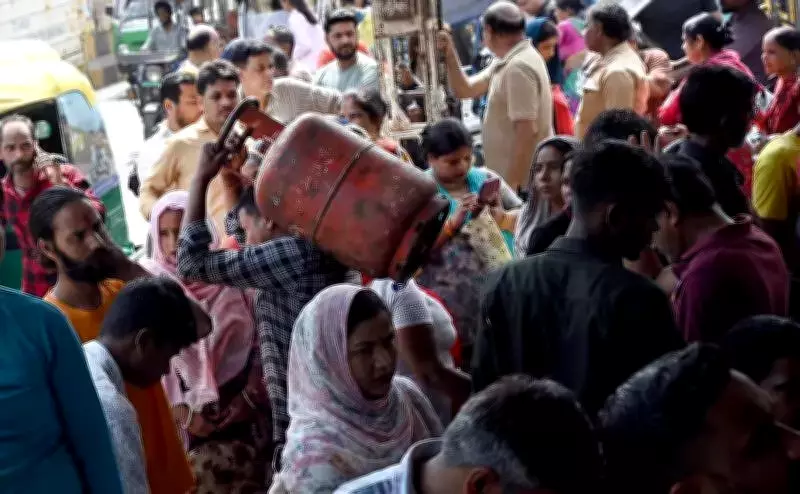
New Delhi: The ongoing LPG shortage in the national capital has transformed the daily operations of caterers from routine food preparation into frantic hunts for fuel. What began as supply chain disruptions linked to the West Asia crisis has now escalated into a full-blown emergency for Delhi's food service industry.
From Planning Menus to Chasing Cylinders
Rajesh Aswal, a 40-year-old caterer based in Mahipalpur with nearly two decades of experience, now spends his mornings chasing LPG cylinders across the city instead of coordinating supplies and supervising kitchen preparations. "People have wedding menus planned six months beforehand. Unlike restaurants, we don't have the privilege to say no to items," Aswal explained, highlighting the unique challenges faced by event caterers who must honor long-standing commitments regardless of circumstances.
Panic Similar to Covid Lockdown Era
Caterers across Delhi report that the current shortage has sparked panic reminiscent of the Covid lockdown period. Many have been forced to scale down operations significantly, while others are resorting to increasingly desperate measures to keep their kitchens functional. The crisis has exposed vulnerabilities in the city's food service infrastructure that many believed had been addressed during previous emergencies.

Black Market Exploitation and Temporary Shutdowns
A west Delhi-based caterer revealed that he has been compelled to purchase cylinders in the black market at nearly double the official price. "Sellers know we are desperate and they are taking advantage of it," he stated, adding that some of his associates have temporarily shut down operations entirely. To cope with the dramatic spike in fuel expenses, many caterers are cutting budgets elsewhere, including limiting staff at events. "We only keep employees who are necessary, but there isn't much to reduce," he admitted.
Return to Polluting Alternatives
Another 50-year-old caterer confessed that he has begun burning wood to complete orders. "If it comes down to our livelihood, we have to choose options we know may add to pollution," he said with evident regret. He particularly noted the difficulty of preparing certain dishes on makeshift stoves, explaining, "Items like biryani and chhole are difficult to manage without proper gas equipment."
Hoarding Compounds the Problem
Aanya Sharma, a 25-year-old who runs a catering service across Delhi-NCR with her father from Faridabad, reported that it had been nearly ten days since they received a cylinder. "We know that some people have been hoarding. It has become a huge problem for those in genuine need," Sharma emphasized, pointing to how panic buying has exacerbated an already critical situation.
Ripple Effects on Small Food Operators
The shortage's impact extends beyond caterers to small tiffin operators as well. Prince Kumar, a 34-year-old dabbawala who delivers meals across south Delhi, revealed that a backup cylinder has kept his service operational for now, but barely. "As the gas reduces, I'm refusing new orders so that I can complete the ones I already have," Kumar said, expressing deep anxiety about what will happen once his reserve runs out completely.
Induction Stove Demand Skyrockets
With gas cylinders becoming increasingly difficult to secure, many small businesses are turning to induction stoves as an alternative. However, this option is quickly becoming unavailable as well. Shopkeepers in Lajpat Nagar and South Extension reported that induction stoves were among the first appliances to disappear from their shelves once the LPG crisis intensified.
At Kotla market, traders confirmed that only expensive models priced upwards of Rs 3,000 remained in stock. Larger stores reported their entire stock was wiped out within days, while shopkeepers alleged that some dealers had begun hoarding units and selling them at inflated prices to capitalize on the crisis.

Supply Chain Struggles to Meet Demand
A trader in Dayanand Colony pointed to a small pile of induction stoves left in his shop and explained that distributors were now struggling to keep up with the unprecedented demand. "There is so much panic. We have seen nearly a 70% increase in customers asking for induction stoves," he revealed, adding that the few units they recently received included faulty pieces sent hurriedly by suppliers trying to meet the overwhelming demand.
Kitchens Struggle to Keep Stoves Lit
From dealing with skyrocketing cylinder prices to resorting to burning wood and coal or hunting for induction stoves, Delhi's caterers and dabbawalas unanimously report that the crisis has left many kitchens struggling to keep their stoves lit. The situation represents not just a logistical challenge but a fundamental threat to livelihoods across the city's food service sector.





