

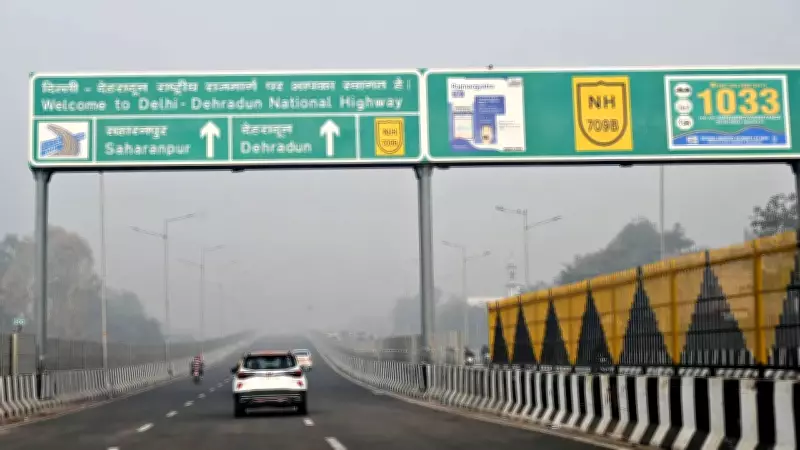
Delhi-Dehradun Expressway Inaugurated: A Game-Changer for Connectivity
Prime Minister Narendra Modi inaugurated the Delhi-Dehradun Expressway, also known as the Delhi-Dehradun Economic Corridor, on April 14, 2026. This access-controlled roadway, developed under the National Highways Authority of India (NHAI), is set to revolutionize travel between the two cities by drastically cutting down journey time.
Key Features and Benefits
The expressway stretches over 213 kilometers, connecting Delhi, Uttar Pradesh, and Uttarakhand. Built at a cost exceeding Rs 12,000 crore, it features six lanes and is designed for high-speed travel. The most significant impact is the reduction in travel time from the current six hours to just 2.5 hours, making it a major boost for commuters and tourists alike.
Speed Limits and Toll Details
Vehicles on the corridor will adhere to specific speed limits: 80 kmph for trucks and 100 kmph for cars. For toll payments, FASTag Annual pass users will pay a nominal fee of Rs 60 for a one-way trip across four toll plazas, ensuring smooth and efficient passage.

Eco-Friendly Design and Wildlife Protection
Given the ecological sensitivity of the region, the expressway incorporates multiple design elements to minimize human-wildlife conflict. Notable features include:
- A 12 km long elevated wildlife corridor, among the longest in Asia, cutting through Rajaji National Park in the Shiwalik Hills.
- Eight designated animal crossings and two elephant underpasses, each 200 metres long.
- A 370 metre tunnel near the Daat Kali temple to facilitate unhindered animal movement.
Infrastructure and Safety Enhancements
The project scope encompasses extensive infrastructure development to support high-speed movement:
- 10 interchanges for seamless connectivity.
- Three railway over bridges and four major bridges.
- 12 wayside facilities for traveler convenience.
Additionally, the corridor is equipped with an Advanced Traffic Management System to enhance safety and improve overall travel efficiency.
Phased Construction Approach
The expressway was built in four structured phases:
- Phase 1: A 31.6 km brownfield stretch from Akshardham to Khekra, transformed into a six-lane elevated road with a parallel service lane.
- Phase 2: A 120 km greenfield project from the EPE interchange at Baghpat to the Saharanpur bypass.
- Phase 3: A 42 km completed segment from the Saharanpur bypass to Ganeshpur in Uttarakhand.
- Phase 4: A 20 km final stretch from Ganeshpur to Dehradun, including a 4.6 km upgraded section.
Economic and Regional Impact
The Delhi-Dehradun Economic Corridor is expected to significantly boost regional economic activity by improving connectivity between key tourist and commercial hubs. It will create new opportunities for trade and development, fostering growth in Uttarakhand and surrounding areas.
With its inauguration, this expressway marks a milestone in India's infrastructure development, promising faster, safer, and more eco-friendly travel for millions.






