

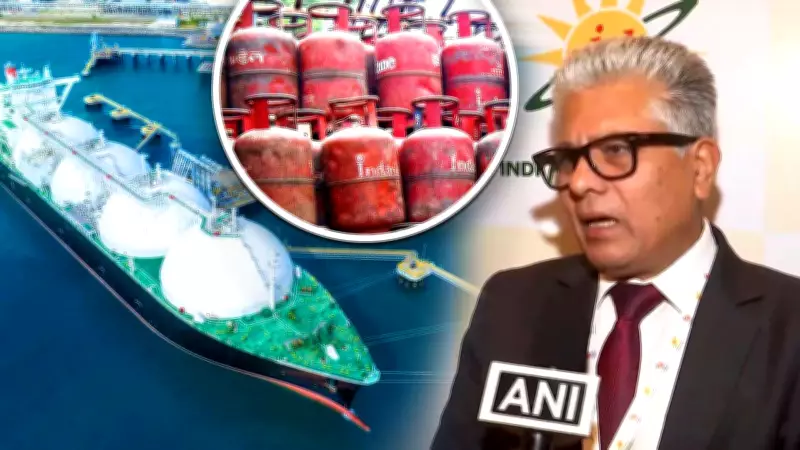
Delhi's Cooking Fuel Revolution: IGL Pushes PNG Over LPG for Safety and Expansion
In a significant move to transform the cooking fuel landscape in the national capital, Indraprastha Gas Limited (IGL) has issued a strong appeal to Delhi residents. The company is urging households to make the switch from traditional liquefied petroleum gas (LPG) cylinders to piped natural gas (PNG), positioning it as a safer and more efficient alternative for daily cooking needs.
Safety and Efficiency at the Forefront
IGL's call for this transition is grounded in the enhanced safety features and operational efficiency of PNG systems. Unlike LPG cylinders that require manual handling and storage, PNG is delivered directly through pipelines, eliminating risks associated with cylinder leaks, transportation, and storage. This shift aims to reduce household accidents and provide a more reliable fuel supply, contributing to a safer urban environment.
Expansion Potential and Current Utilization
Kamal Kishore Chatiwal, Managing Director of IGL, highlighted the substantial growth potential in this sector. He revealed that India is currently utilizing only 3–4% of its domestic gas production for PNG supply. This low utilization rate indicates a vast opportunity for expansion, suggesting that the infrastructure and resources are in place to support a much larger adoption of PNG across the city and potentially beyond.

Rapid Growth and Ambitious Targets
The push for PNG is not just theoretical; it is backed by impressive growth metrics. IGL reports that PNG connections in Delhi have already tripled since pre-war levels, demonstrating a clear trend toward adoption. Building on this momentum, the company has set an ambitious target of adding 30,000 new PNG connections daily. This aggressive expansion plan signals a major transition in Delhi's cooking fuel ecosystem, moving away from cylinder-based systems toward a more integrated pipeline network.
Implications for Delhi Residents
For residents, this shift could mean more consistent fuel availability, reduced physical effort in managing cylinders, and potentially lower long-term costs due to the efficiency of PNG. IGL's initiative aligns with broader urban development goals, aiming to modernize infrastructure and enhance quality of life. As the campaign gains traction, it may set a precedent for other Indian cities to follow, promoting a nationwide move toward cleaner and safer cooking solutions.
In summary, IGL's drive to replace LPG with PNG in Delhi represents a pivotal step in urban energy management. With safety benefits, efficiency gains, and a clear expansion strategy, this transition could redefine how millions of households cook their meals, marking a new era in the capital's domestic fuel consumption.






