Prolonged Dry Spell Puts Kangra Valley's Agricultural Heritage at Risk
In Himachal Pradesh's picturesque Kangra Valley, an unusually extended period of dry weather is casting a dark shadow over the region's vital agricultural sector. The prolonged dry spell, which has persisted for weeks, is now emerging as a severe threat to two of the valley's most iconic and economically significant crops: tea and various fruits.
Immediate Impact on Tea Plantations
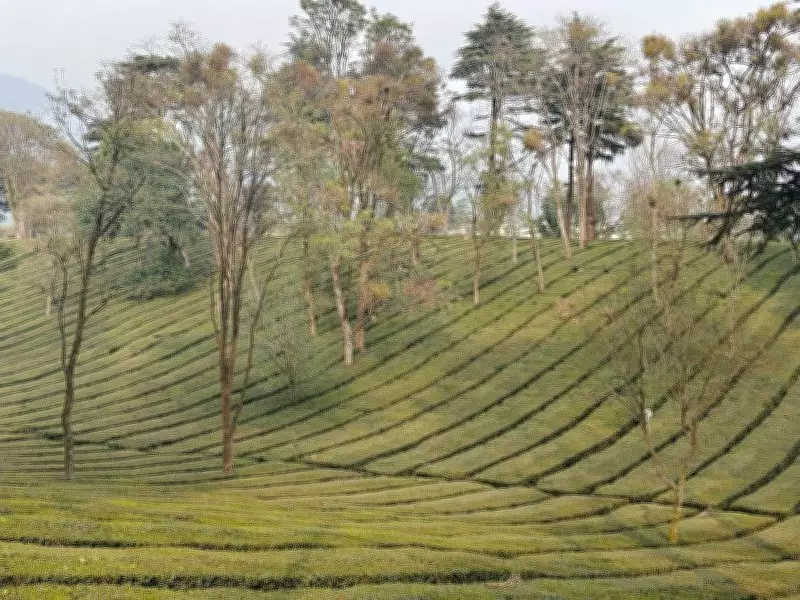
The Kangra Valley, renowned for its high-quality tea production, is witnessing alarming stress on its tea bushes. The lack of adequate rainfall is directly affecting the growth and health of the tea plants, which require consistent moisture for optimal leaf development. Farmers report that the dry conditions are leading to stunted growth and a potential reduction in the quality and quantity of the tea harvest. This situation is particularly critical as the valley's tea is a key contributor to the local economy and holds a prestigious place in India's tea industry.
Fruit Crops Under Duress
Beyond tea, the dry spell is also taking a heavy toll on the valley's diverse fruit crops, including apples, plums, and peaches. These fruit trees are highly dependent on regular water supply during their growth cycles, and the current arid conditions are causing:

- Reduced fruit setting and development
- Increased vulnerability to pests and diseases
- Potential for significant yield losses in the upcoming season
This dual threat to both tea and fruit crops underscores the broader agricultural crisis unfolding in the region.
Farmers' Concerns and Economic Ramifications
Local farmers in Kangra Valley are expressing deep anxiety over the situation. Many rely heavily on these crops for their livelihoods, and the prolonged dry spell is raising fears of financial hardship. The potential decline in crop yields could lead to:
- Reduced income for farming families
- Increased market prices for tea and fruits due to scarcity
- Long-term damage to the soil and agricultural infrastructure
This environmental challenge highlights the urgent need for adaptive farming practices and water management strategies to mitigate such risks in the future.
Broader Implications for Himachal Pradesh
The crisis in Kangra Valley is not an isolated incident but reflects a larger pattern of climatic variability affecting Himachal Pradesh. As a state known for its agricultural diversity, such dry spells can have cascading effects on food security, rural employment, and the overall economy. Authorities and agricultural experts are closely monitoring the situation, with calls for immediate intervention to support affected farmers and safeguard the region's agricultural heritage.