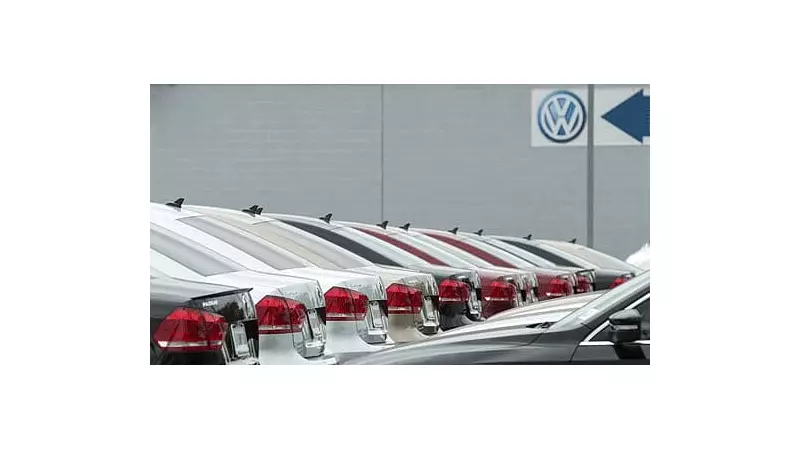
European Automakers Encounter Persistent Challenges in Indian Market Following Trade Agreement
Despite the implementation of a comprehensive trade deal between the European Union and India, car manufacturers from Europe are confronting substantial obstacles in penetrating the competitive Indian automotive landscape. With a relatively modest production footprint and annual sales figures that remain confined to the tens of thousands of vehicles, these brands possess significant potential for expansion. However, this opportunity comes against the backdrop of a decade-long decline in market share, highlighting the complex dynamics at play.
Limited Production and Sales Figures Constrain Growth
The current operational scale of European carmakers in India is characterized by a restrained manufacturing presence. Annual sales volumes have not yet breached the hundred-thousand mark, indicating a considerable gap in market penetration compared to domestic and other international competitors. This scenario underscores the immense room for growth that exists, yet it also points to the formidable barriers that must be overcome to capitalize on this potential.
Market Share Erosion Over the Past Decade
Over the last ten years, European automotive brands have experienced a noticeable erosion in their market share within India. This decline has occurred despite the country's burgeoning economy and increasing consumer appetite for premium vehicles. The trade deal, while aimed at facilitating smoother market access, has not yet translated into a reversal of this trend, suggesting that deeper structural and competitive issues are at play.

Strategic Implications for Future Expansion
The persistent challenges faced by EU carmakers in India necessitate a reevaluation of strategic approaches. Key considerations include:
- Adapting to Local Preferences: Tailoring vehicle designs and features to meet the specific demands of Indian consumers.
- Enhancing Cost Competitiveness: Addressing pricing strategies to align with the value-conscious nature of the market.
- Strengthening Distribution Networks: Expanding and optimizing sales and service channels across diverse regions.
- Leveraging Trade Agreement Benefits: Maximizing the advantages offered by the FTA to reduce tariffs and streamline operations.
The road ahead for European automobile brands in India remains fraught with challenges, but the trade deal provides a foundational framework for potential growth. Success will hinge on the ability to navigate local market intricacies and build a sustainable competitive edge in one of the world's most dynamic automotive arenas.