The Foundational Science of Geochemistry
Geochemistry, the study of the chemical composition and processes of the Earth and other planets, serves as a critical discipline bridging geology and chemistry. It delves into the distribution, migration, and transformation of chemical elements and compounds within geological systems, offering profound insights into natural phenomena and human activities.
Industrial Applications and Economic Impact
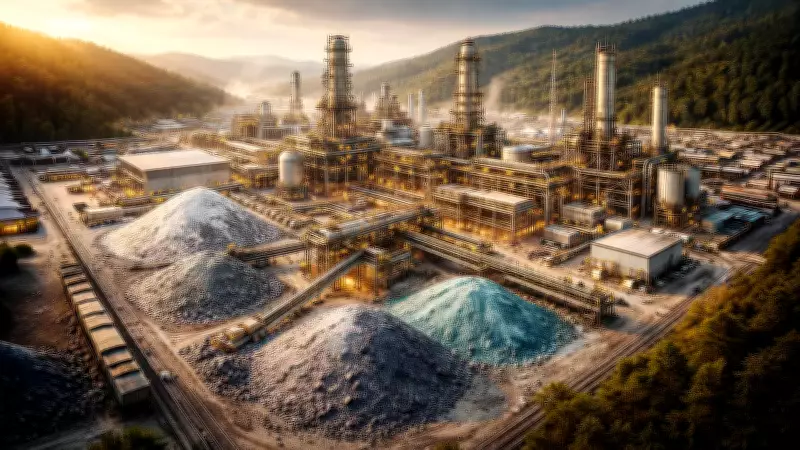
In the industrial sector, geochemistry plays a pivotal role in resource exploration and extraction. For instance, in the mining industry, geochemical analysis helps identify ore deposits by examining soil, rock, and water samples for trace elements. This not only enhances efficiency but also reduces environmental footprints by targeting specific areas, minimizing unnecessary excavation.
Energy production heavily relies on geochemical principles. In oil and gas exploration, geochemists analyze hydrocarbon compositions to assess reservoir quality and predict production potential. Similarly, in geothermal energy, understanding subsurface chemical interactions is essential for sustainable harnessing of heat from the Earth's interior.

The construction and manufacturing industries benefit from geochemistry through material science. By studying the chemical properties of minerals and rocks, engineers can develop durable building materials and optimize industrial processes, such as in cement production or metal refining.
Environmental Management and Sustainability
Geochemistry is indispensable for environmental protection and remediation. It aids in monitoring pollution by tracking contaminants like heavy metals or radioactive elements in soil and water. Techniques such as isotopic analysis allow scientists to trace pollution sources and assess their impact on ecosystems.
Climate change mitigation efforts are bolstered by geochemical research. For example, studying carbon cycles helps in developing carbon capture and storage (CCS) technologies, which aim to reduce atmospheric CO2 levels. Geochemists also investigate ocean acidification and its effects on marine life, providing data for conservation strategies.
In waste management, geochemistry informs the safe disposal of hazardous materials by predicting their long-term behavior in geological formations, such as in nuclear waste repositories.
Scientific Advancements and Future Prospects
Recent technological innovations have expanded geochemistry's horizons. Advanced analytical tools, like mass spectrometry and remote sensing, enable precise measurements of chemical compositions from deep Earth to outer space. This has applications in planetary science, where geochemical data from Mars or asteroids inform theories about the solar system's formation.
Looking ahead, geochemistry is poised to address global challenges. Key areas include:
- Water resource management: Analyzing groundwater chemistry to ensure safe drinking water and sustainable usage.
- Renewable energy: Enhancing geothermal and bioenergy systems through improved chemical understanding.
- Biodiversity conservation: Using geochemical markers to study habitat changes and species adaptations.
By integrating with fields like biotechnology and data science, geochemistry can drive innovations in sustainable development and disaster risk reduction, such as predicting volcanic eruptions or earthquakes through chemical precursors.
Conclusion: A Multidisciplinary Powerhouse
Geochemistry stands as a versatile science with far-reaching implications. From powering industries to safeguarding the environment, its lessons in Earth's chemical dynamics are essential for a resilient and prosperous future. As global demands for resources and environmental stewardship grow, geochemistry will continue to be a cornerstone of scientific and economic progress.