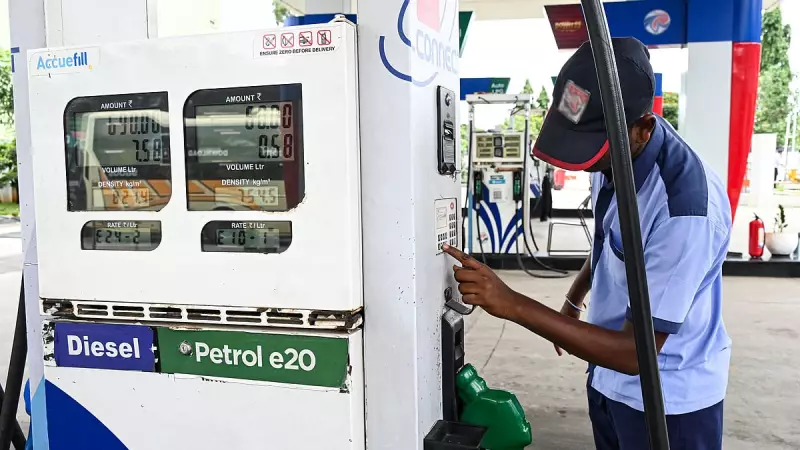
The Government of India has issued a firm clarification to address growing concerns among vehicle owners and experts regarding the use of ethanol-blended petrol. The official stance asserts that E20 fuel poses no risk to vehicle performance or long-term durability. This statement directly counters a common perception that higher ethanol blends reduce engine efficiency and are incompatible with many vehicles on Indian roads.
Addressing Public Concerns on Ethanol Blending
For some time, automotive experts and the general public have voiced apprehensions about the nationwide push for ethanol-blended fuels. A primary argument has been that using ethanol as a fuel component leads to reduced mileage and efficiency. Critics have often pointed out that the majority of the existing vehicle fleet in India was not originally designed or calibrated to run optimally on higher blends like E20, which contains 20% ethanol.
The government's latest communication, reported on 03 December 2025, seeks to allay these fears. By stating there is no risk to performance or durability, authorities aim to build public confidence in the country's clean energy transition strategy. The push for ethanol blending is a key part of India's plan to cut crude oil imports, reduce carbon emissions, and utilize surplus agricultural produce.

The Official Standpoint and Future Implications
The clarification comes from the Ministry of Petroleum and Natural Gas. While the specific details of the technical studies or data backing this claim were not elaborated in the brief report, the message is clear: the government stands by the compatibility and reliability of E20 fuel. This assurance is crucial for accelerating consumer adoption as India progresses towards its target of nationwide E20 availability.
For vehicle owners, this means that using E20 petrol in compatible vehicles—a growing segment as manufacturers introduce more E20-ready models—should not lead to premature wear or a significant drop in power. However, it remains critical for consumers to consult their vehicle's manual to confirm compatibility, as older models might still require lower ethanol blends.
What This Means for India's Energy Policy
This official reassurance is more than just a technical bulletin; it is a strategic move to smooth the path for India's energy policy. By publicly countering efficiency concerns, the government is working to remove a significant psychological barrier to the adoption of greener fuels. The success of the ethanol blending program is vital for achieving multiple national goals, including energy security, farmer income support, and environmental sustainability.
The report was highlighted in Karnataka, a state at the forefront of implementing new fuel and energy policies. As the narrative around E20 fuel evolves, continued transparent communication regarding long-term engine health data will be essential to maintain public trust and ensure the smooth rollout of this important initiative across the country.