Government Intensifies Efforts to Propel Electric Mobility Forward in India
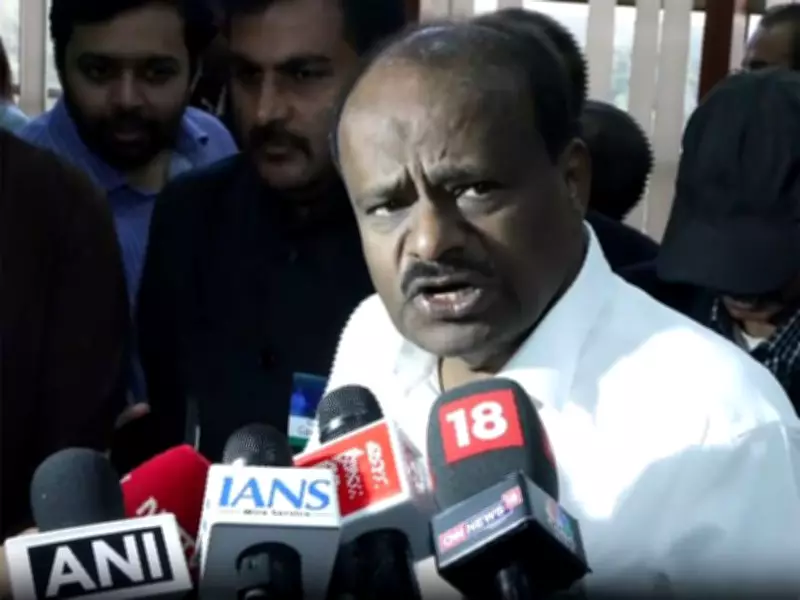
In a significant development aimed at transforming the nation's transportation landscape, the Indian government is actively exploring and assessing the most effective measures to promote electric mobility across the country. This strategic initiative was highlighted by Heavy Industries Minister H.D. Kumaraswamy, who emphasized the administration's commitment to accelerating the adoption of electric vehicles (EVs) through targeted policies and support mechanisms.
Comprehensive Evaluation of Strategies Underway
Minister Kumaraswamy revealed that the government is conducting a thorough evaluation of various strategies to identify and implement the most impactful solutions for boosting electric mobility. This process involves analyzing a wide range of factors, including technological advancements, economic incentives, and infrastructural requirements, to ensure a holistic approach to the transition.
The focus is on creating an enabling ecosystem that not only encourages consumers to switch to electric vehicles but also supports manufacturers and stakeholders in the EV supply chain. This includes potential enhancements to existing schemes, such as the Faster Adoption and Manufacturing of Hybrid and Electric Vehicles (FAME) program, and the introduction of new initiatives tailored to address current challenges.

Key Areas of Emphasis for Electric Vehicle Promotion
The government's exploration encompasses several critical areas essential for the growth of electric mobility:
- Infrastructure Development: Expanding the network of charging stations and battery-swapping facilities to alleviate range anxiety and improve convenience for EV users.
- Financial Incentives: Evaluating subsidies, tax benefits, and other financial support mechanisms to make electric vehicles more affordable and attractive to buyers.
- Research and Innovation: Fostering advancements in battery technology, energy efficiency, and sustainable materials to enhance the performance and sustainability of EVs.
- Policy Frameworks: Strengthening regulatory frameworks to streamline approvals, standardize components, and ensure safety and quality standards in the EV sector.
These measures are designed to address barriers such as high upfront costs, limited charging infrastructure, and technological constraints, thereby creating a more conducive environment for electric mobility to thrive.
Aligning with Broader Environmental and Economic Goals
The push for electric mobility is closely aligned with India's broader objectives of reducing carbon emissions, enhancing energy security, and promoting sustainable development. By transitioning to electric vehicles, the country aims to cut down on fossil fuel dependence, improve air quality in urban areas, and position itself as a leader in the global green technology market.
Minister Kumaraswamy underscored that this initiative is part of a larger vision to integrate electric mobility into the national agenda, contributing to job creation, industrial growth, and technological innovation. The government is also considering collaborations with private sector players and international partners to leverage expertise and investments in this domain.
As the evaluation progresses, stakeholders from the automotive industry, environmental groups, and consumer associations are expected to provide inputs to shape effective policies. The outcome of these explorations will likely influence future budget allocations and legislative actions aimed at accelerating the electric vehicle revolution in India.