Gujarat Set to Lead India's Nuclear Energy Expansion with Historic Shanti Bill Initiative
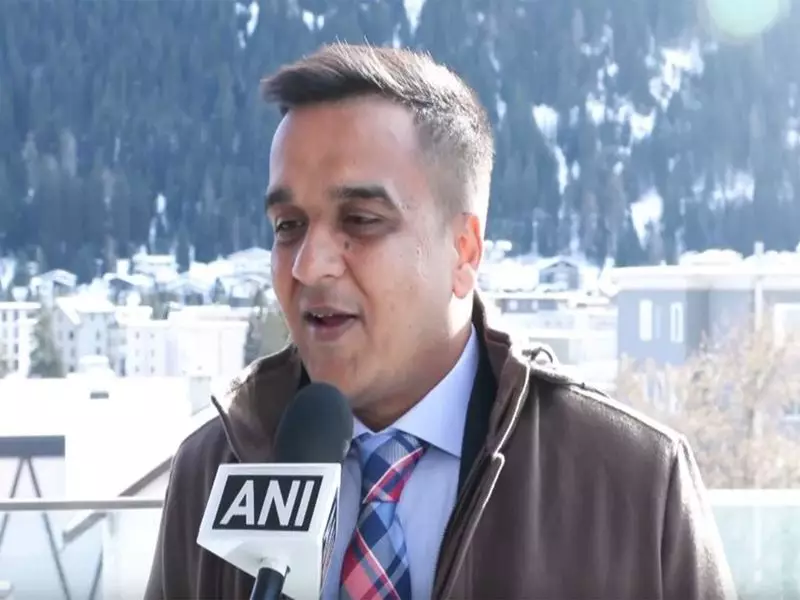
In a landmark declaration at the prestigious World Economic Forum in Davos, Deputy Chief Minister of Gujarat, Harsh Sanghavi, has revealed that Gujarat is poised to become the pioneering state in India to launch a nuclear reactor under the newly introduced Shanti Bill. This announcement underscores Gujarat's proactive role in advancing the nation's clean energy agenda and bolstering its economic infrastructure through strategic technological investments.
Strategic Announcement at Global Economic Forum
The revelation was made during a high-profile session in Davos, where Sanghavi highlighted Gujarat's commitment to embracing innovative energy solutions. The Shanti Bill, a legislative framework designed to streamline and promote nuclear energy projects across India, serves as the cornerstone for this initiative. By leveraging this bill, Gujarat aims to set a benchmark for other states, demonstrating how nuclear power can be integrated safely and efficiently into the regional energy mix.
Implications for Clean Energy and Economic Growth
This move is expected to have far-reaching implications for both environmental sustainability and economic development. Nuclear energy, known for its low carbon emissions and high energy output, aligns with India's broader goals of reducing reliance on fossil fuels and combating climate change. The launch of the reactor under the Shanti Bill is anticipated to:

- Enhance Gujarat's energy security by providing a stable and reliable power source.
- Attract investments in the nuclear and allied sectors, fostering job creation and industrial growth.
- Position Gujarat as a leader in India's transition towards a greener economy.
Details on the Shanti Bill and Its Framework
The Shanti Bill represents a significant legislative effort to modernize India's nuclear energy policies. It focuses on simplifying regulatory processes, ensuring safety standards, and encouraging public-private partnerships in the nuclear domain. Sanghavi emphasized that Gujarat's early adoption of this framework will not only accelerate the reactor's deployment but also serve as a model for collaborative governance between state and central authorities.
Key aspects of the Shanti Bill include:
- Streamlined approvals for nuclear projects to reduce bureaucratic delays.
- Enhanced safety protocols to address public concerns and environmental risks.
- Incentives for technological innovation and research in nuclear energy.
Future Prospects and National Impact
As Gujarat prepares to embark on this groundbreaking project, experts predict that it could catalyze a nationwide shift towards nuclear energy. The success of this initiative may inspire other states to explore similar ventures under the Shanti Bill, potentially transforming India's energy landscape. Sanghavi's announcement in Davos has already garnered attention from global stakeholders, highlighting the international interest in India's nuclear advancements.
In conclusion, Gujarat's pioneering step to launch a nuclear reactor under the Shanti Bill marks a pivotal moment in India's journey towards sustainable development. With Deputy CM Harsh Sanghavi leading the charge from Davos, the state is set to reinforce its reputation as an innovation hub while contributing to the country's clean energy objectives.