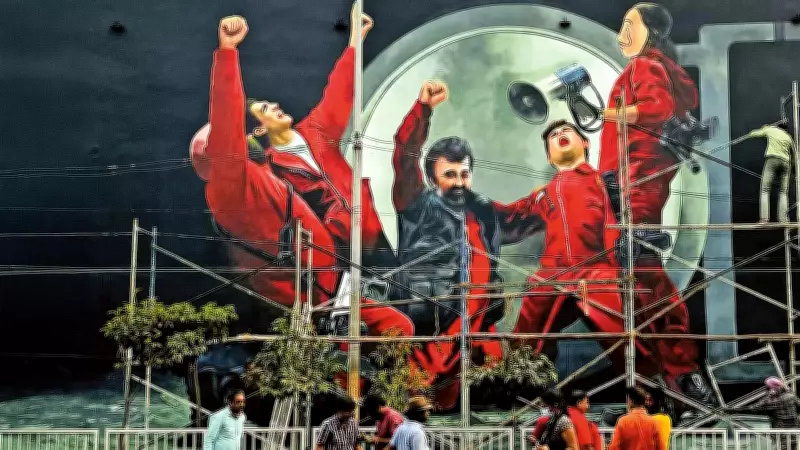
The Resurgence of Hand-Painted Advertisements in Modern Marketing
In an era dominated by digital screens and algorithm-driven campaigns, a nostalgic art form is making a surprising and vibrant comeback. Hand-painted advertisements, once a staple of urban and rural landscapes, are being revived by brands and artists seeking to cut through the noise of the online world. This trend marks a shift towards authenticity, craftsmanship, and local engagement in marketing strategies.
From Flex to Fresco: The Evolution of a Traditional Medium
The journey of hand-painted ads has been one of adaptation and resilience. Historically, these artworks adorned walls, shop shutters, and public spaces, serving as colorful markers of commerce and culture. With the advent of digital printing and flex banners in the late 20th century, this traditional medium faced a decline, often relegated to niche or rural areas. However, recent years have seen a renewed interest, driven by a desire for unique, tactile experiences that digital ads cannot replicate.
Brands across various sectors, from fashion to food, are commissioning artists to create custom hand-painted murals and signs. These pieces not only promote products but also tell stories, evoke emotions, and connect with communities on a personal level. Unlike mass-produced digital ads, each hand-painted creation is one-of-a-kind, offering a sense of exclusivity and artistry that resonates with consumers weary of generic marketing.

Why Hand-Painted Ads Are Gaining Traction Today
Several factors contribute to the revival of hand-painted advertisements in the contemporary market. First, the oversaturation of digital advertising has led to ad fatigue among audiences, who are increasingly seeking authentic and engaging content. Hand-painted ads, with their human touch and artistic flair, stand out as refreshing alternatives.
Key Drivers of the Comeback:- Authenticity and Craftsmanship: In a world of automated processes, hand-painted ads emphasize skill and creativity, appealing to consumers' appreciation for artisanal work.
- Local Engagement: These ads often involve local artists and reflect community aesthetics, fostering a sense of pride and connection.
- Environmental Considerations: Compared to plastic-based flex banners, hand-painted ads can be more eco-friendly, using biodegradable paints and materials.
- Nostalgia Factor: They evoke memories of a simpler time, tapping into emotional responses that drive brand loyalty.
Moreover, social media has played a crucial role in amplifying this trend. Photos of striking hand-painted murals often go viral, generating organic reach and buzz that expensive digital campaigns might struggle to achieve. This blend of offline artistry and online sharing creates a powerful marketing synergy.
Challenges and Future Prospects
Despite their growing popularity, hand-painted ads face challenges in scaling and consistency. The process is time-consuming and requires skilled artists, which can limit widespread adoption. Additionally, weather conditions and urban regulations may affect their longevity and placement.
However, the future looks promising as more brands invest in this medium for specific campaigns or localized promotions. Innovations in paint technology and collaborations between artists and marketing firms are helping to address practical issues. As consumers continue to value authenticity and experiences over mere transactions, hand-painted ads are likely to remain a relevant and cherished part of the advertising landscape.
In conclusion, the comeback of hand-painted advertisements is not just a nostalgic throwback but a strategic response to the limitations of digital marketing. By merging art with commerce, this trend offers a human-centered approach that enriches public spaces and builds deeper brand connections. As we move forward, expect to see more colorful, hand-crafted messages brightening our cities and towns, proving that sometimes, the old ways can be the best ways.