

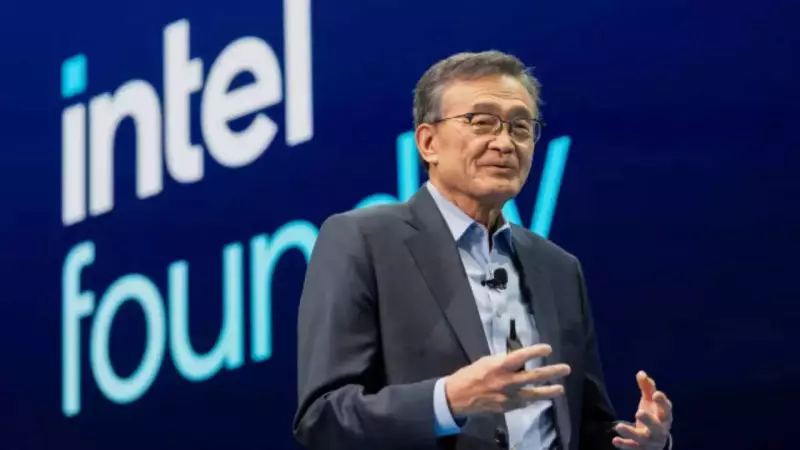
In a dramatic turn of events, Intel's Chief Executive Officer Lip-Bu Tan orchestrated a high-stakes diplomatic manoeuvre, rallying support from Silicon Valley's top brass to successfully convert a presidential attack into a multi-billion dollar government lifeline for the chipmaking giant.
Silicon Valley's Endorsement Saves The Day
According to a Reuters report, the crisis unfolded in August 2025 when former President Donald Trump publicly demanded Tan's resignation, calling him "highly conflicted" over his extensive investment ties to China. Faced with this direct threat, Tan strategically reached out to two of the tech world's most influential figures: Microsoft's Satya Nadella and Nvidia's Jensen Huang.
Tan's choice was calculated. Both Nadella and Huang had already established relationships with Trump and had experience with White House engagements. Their personal vouching for Tan proved to be a crucial element in securing a critical audience with the president, as per two sources familiar with the discussions.

The CEO was preparing to defend himself against serious accusations. The scrutiny centred on Tan's history of making approximately 600 investments in Chinese companies, with some allegedly connected to China's military apparatus.
The Pivotal 40-Minute Meeting
The high-pressure meeting, which lasted just 40 minutes and included only Commerce Secretary Howard Lutnick and Treasury Secretary Scott Bessent alongside Trump and Tan, became the defining moment of Tan's career. He entered the room with presidential hostility awaiting him.
Tan and his advisors had meticulously prepared his defence. He presented his personal narrative as an American patriot committed to national interests, directly addressing concerns about his Chinese holdings. His formidable background as a dealmaker, which had built him a fortune estimated at over $500 million, was instrumental during the negotiations.
The strategy worked. Tan successfully convinced Trump of his dedication to America's technological supremacy and security needs.
From Hostility to Historic $8.9 Billion Deal
The outcome was nothing short of transformative. The meeting culminated in a groundbreaking agreement where the U.S. government invested $8.9 billion to acquire nearly 10% of Intel. This massive equity stake effectively granted Intel what insiders described as a "too-strategic-to-fail" status in the American industrial landscape.
The reversal in Trump's stance was stark. Mere days after calling for Tan's ouster, the president praised the CEO's "amazing story" following their direct conversation.
The deal had immediate ripple effects. Within weeks, Tan secured a massive $5 billion partnership with Nvidia. Jensen Huang, referring to Tan as his "long-time friend," solidified the alliance. Microsoft's Satya Nadella later publicly endorsed the government's arrangement, stating it "will benefit the country and broader technology ecosystem for years to come."
This landmark deal is seen as potentially heralding a new era of U.S. industrial policy, where the government takes direct equity stakes in businesses deemed critically strategic. It also opened doors for other potential partners eager to align with a company now in presidential favour.
For Intel, the victory is significant but challenges remain. While the company's shares have risen approximately 80% since Tan's appointment in March, it continues to face hurdles in advanced manufacturing and formulating a winning artificial intelligence (AI) strategy in a fiercely competitive market.






