Groundwater Depletion Sparks Urgent Call for Water-Smart Agricultural Practices
In response to the alarming decline in groundwater levels across India, the ICAR-Indian Agricultural Research Institute (IARI) has issued a pressing appeal for farmers to embrace water-sensitive farming techniques. Dr. C. Srinivasa Rao, Director and Vice-Chancellor of IARI in New Delhi, emphasized the critical need for adopting micro-irrigation practices to address this escalating environmental challenge.
Addressing Water-Intensive Crop Cultivation
Dr. Rao highlighted that the plummeting groundwater table poses a severe threat, particularly in states where water-intensive crops like paddy are cultivated due to assured Minimum Support Price (MSP) incentives. "Farmers must prioritize water conservation methods to ensure long-term agricultural sustainability," he stated during an interaction with The Tribune at a training-cum-seed distribution event in Karnal, Haryana.
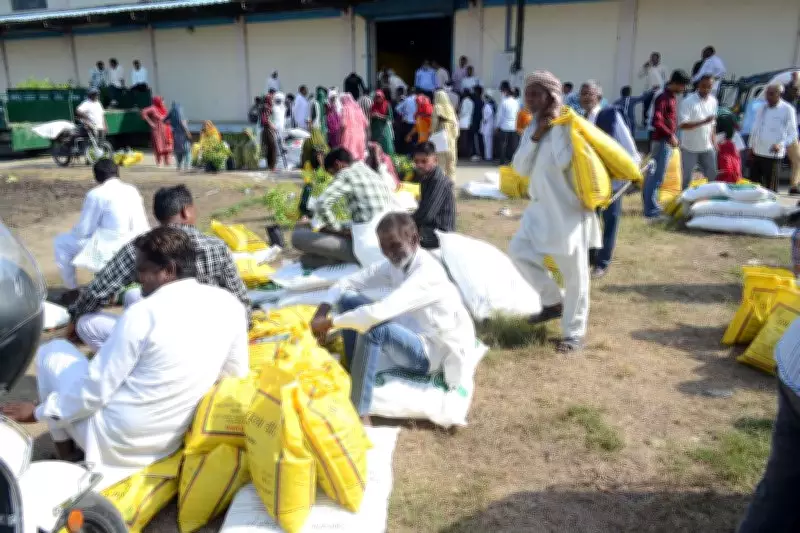
The program, conducted under the PM-RKVY (SC component) project and Scheduled Caste Sub-Plan (SCSP), aimed to educate farmers on improved agricultural practices, quality seeds, and climate-resilient technologies. Dr. Rao underscored that such initiatives are vital for enhancing productivity while mitigating environmental impacts.

Innovative Solutions and Research Initiatives
To combat the weed management issues associated with water-saving techniques, IARI is actively researching Direct-Seeded Rice (DSR) technology. Dr. Rao announced plans for a national-level discussion to promote DSR as a sustainable alternative to conventional paddy cultivation in suitable regions. This move aligns with broader efforts to reduce water usage in agriculture without compromising yield.
Reflecting on India's agricultural progress over the past seven decades, Dr. Rao noted significant achievements, including a remarkable increase in food grain production to approximately 357.7 million tonnes. The production of fruits and vegetables has also seen substantial growth, attributed to advancements in seed quality, crop varieties, management practices, and supportive government policies.
Ongoing Challenges and Climate Resilience
Despite these successes, Indian agriculture faces persistent hurdles. Crops such as soybean and cotton are grappling with productivity and pest-related issues in various regions. Additionally, climate variability—including thunderstorms, cyclones, and erratic monsoons—has introduced greater uncertainty into farming operations.
In response, IARI scientists are developing high-yielding, climate-resilient crop varieties. Recently, 109 such varieties with enhanced yield potential and nutritional value have been released. These innovations are crucial for helping farmers adapt to changing environmental conditions and maintain food security.
During the Karnal event, farmers received seeds of the paddy variety PUSA 1509, along with vermicompost and other agricultural inputs, as part of efforts to disseminate sustainable practices. Dr. Shiv Kumar Yadav, Regional Head of IARI-Karnal, emphasized the importance of such distributions in promoting eco-friendly farming methods.
The call for water-smart agriculture comes at a critical juncture, as groundwater depletion continues to threaten the viability of farming in many parts of India. By adopting micro-irrigation and other conservation measures, farmers can play a pivotal role in safeguarding this precious resource for future generations.