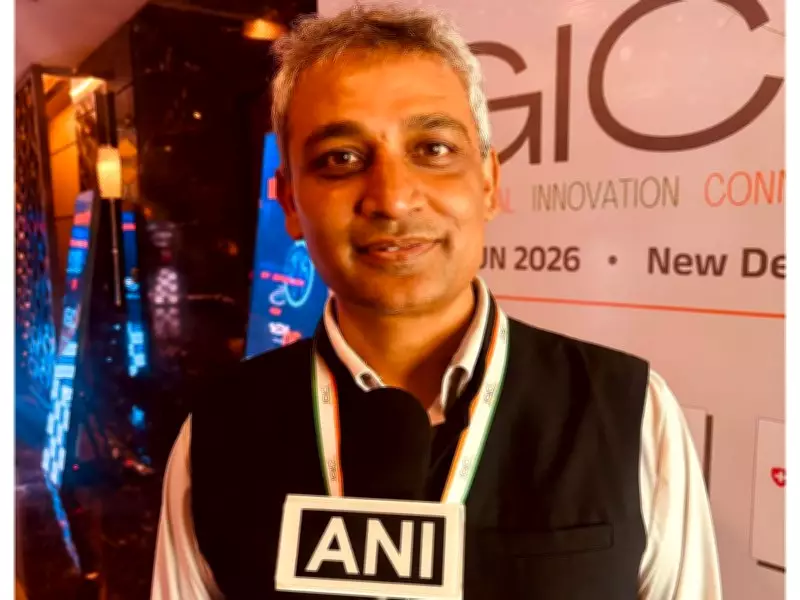
The semiconductor industry is working closely with the Indian government to shape the next phase of the India Semiconductor Mission (ISM 2.0), with a focus on expanding the supply chain, nurturing talent, creating intellectual property (IP), and fostering product innovation, according to Navin Bishnoi, Chairperson of the India Electronics and Semiconductor Association (IESA).
Collaboration on ISM 2.0
Speaking to ANI on the sidelines of the fifth edition of the India Global Innovation Connect (IGIC) event, Bishnoi stated, "We are working very closely with the government on this to at least give them guidance and feedback on what could be the next ISM 2.0 version, how to expand the supply chain. The government has taken note of it to include everyone together, focus some fundings on both the talent part of it as well as on IP and product creation part of it because finally that's what we'll sell."
Ecosystem Vision
The broader objective of ISM 2.0 is to create an ecosystem where products designed and manufactured in India can also be packaged, assembled, and sold in both domestic and global markets. Bishnoi emphasized, "To create an ecosystem that whatever we manufacture, whatever we produce, whatever we design can be created, packaged, assembled and be sold in India and the world. I think creating the bigger ecosystem from the basic materials to the final end products is what the ask is and I believe that's the vision behind the ISM 2.0 which we are all looking forward to."

Evolution from Design to Manufacturing
Bishnoi noted that India's semiconductor ecosystem has evolved beyond a design-led approach and is now focused on integrating manufacturing capabilities. "We have moved forward from the ISM 1.0 to create an ecosystem where it is not just design but design plus manufacturing come together," he said.
Strengthening the Value Chain
According to Bishnoi, the next stage of growth requires strengthening the entire semiconductor value chain, including the supply chain that supports chip manufacturing. This extends beyond chips and electronics to encompass critical inputs such as minerals, chemicals, gases, water, air, and other components required to establish and operate semiconductor facilities.
Talent Development
He also highlighted the need to develop talent across the ecosystem. The industry's requirements go beyond chip designers and include talent emerging from engineering colleges, Industrial Training Institutes (ITIs), and diploma programmes. Skilling efforts must also take into account the increasing role of artificial intelligence (AI) in day-to-day operations.
Sustainability Beyond Incentives
Bishnoi said another key challenge is ensuring that the sector remains sustainable beyond government incentives. Long-term success would depend on creating a viable buyer-seller market and a commercialisation ecosystem capable of supporting sustained growth.
Raw Material Availability
On raw material availability, he said India would continue to rely on global partnerships for several inputs critical to semiconductor manufacturing. "Not all raw materials are available here and we'll have to depend on the global. That will remain the same, it will not change. No one country or one geography can own the complete supply chain of either the raw materials or the electronics and semiconductors," he said.
Manufacturing Projects Progress
Regarding semiconductor manufacturing projects, Bishnoi confirmed that more than 10 plants have been approved in the country so far. Around four of these facilities have already started production, while several others are at different stages ranging from ground breaking and construction to operational readiness. "Over the next two years, I think we'll see a lot of these or most of these into what we call as a production line," he said, adding that ensuring adequate designs and wafers to utilise these facilities would be critical to their commercial success.
Opportunities in Specialty Manufacturing
Bishnoi noted that India currently has one logic fabrication facility and multiple OSAT (Outsourced Semiconductor Assembly and Test) projects. However, significant opportunities remain in specialty manufacturing segments, including display fabs, silicon-germanium technologies, silicon-carbide manufacturing, and power electronics.