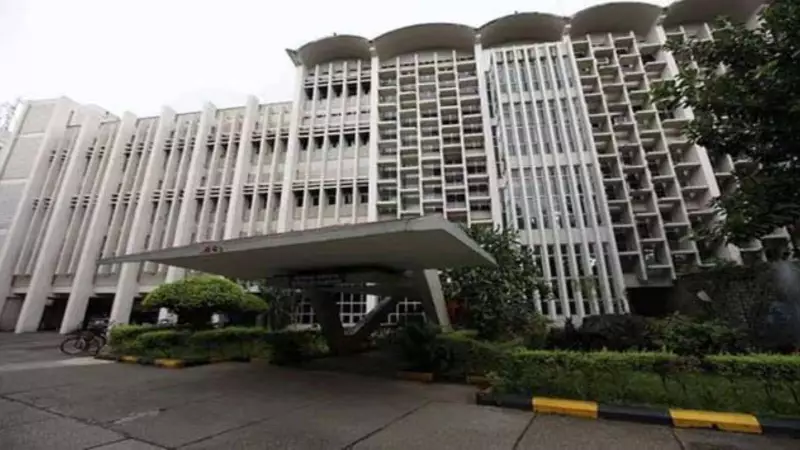
The Mumbai Railway Vikas Corporation (MRVC) has initiated a major strategic study, appointing the prestigious Indian Institute of Technology Bombay (IIT Bombay) as its knowledge partner. The core objective is to conduct a comprehensive assessment of the budgetary needs, costing models, and long-term financial sustainability of the sprawling Mumbai Suburban Railway network across the Mumbai Metropolitan Region (MMR).
A Deep Dive into Financial and Operational Benchmarks
This ambitious study is designed to establish a clear financial and operational benchmark. It will directly compare the capital expenditure (CapEx) and operating expenditure (OpEx) of the existing suburban railway system with those of modern Metro rail systems. The evaluation will hinge on critical performance parameters such as the cost incurred per passenger-kilometre, projected payback periods for investments, patterns of energy utilisation, maintenance cycles, and the potential for standardising rolling stock.
According to MRVC officials, the exercise is a structured, data-driven effort to strengthen long-term planning for Mumbai's urban rail ecosystem. The insights generated will aim to align future infrastructure investments with the actual patterns of passenger movement, prevailing fare structures, and true operational costs. Sunil G Udasi, Chief Public Relations Officer of MRVC, emphasised that the study's findings will focus on infrastructure performance and passenger movement needs, thereby supporting future capacity enhancement and operational improvements across the MMR.

Aligning Investments with Passenger Demand and Efficiency
The research will scrutinise how different urban rail systems manage to perform economically while handling massive passenger volumes daily. A key outcome will be recommendations on how investments can be optimised to ensure that suburban rail services remain not only efficient and attractive to commuters but also financially viable for decades to come. Planners note that while MRVC's primary mandate is the suburban network, benchmarking against Metro systems will create a common cost and performance framework. This framework is deemed essential for guiding future investment decisions, especially as Mumbai continues to expand both its suburban and metro rail capacity to meet relentlessly growing travel demand.
The study is envisaged to be thorough, involving the preparation of 16 distinct working papers. Each paper will delve into a specific aspect of suburban rail operations and economics, ensuring a holistic analysis. This initiative marks a significant step towards evidence-based policymaking for one of the world's most complex and heavily used urban rail networks, aiming to secure its efficiency and sustainability for future generations of Mumbaikars.