

India Accelerates DME Fuel Development Amid Global Oil Market Volatility
As the ongoing conflict in the Middle East continues to create significant disruptions across global oil markets, India is proactively pursuing the expansion of dimethyl ether (DME) production. This synthetic fuel alternative presents a promising solution to address the persistent supply challenges associated with liquefied petroleum gas (LPG), which has seen sharp price increases due to strained international supply chains.
Government Research Institute Leads Production Scale-Up
The CSIR-National Chemical Laboratory (NCL), a premier government-run research institution, has established a pilot plant for DME and is now advancing plans to significantly scale up production facilities. Researchers at NCL have emphasized that DME possesses substantial potential to serve as an indigenous alternative to LPG, which remains widely utilized for cooking across India.
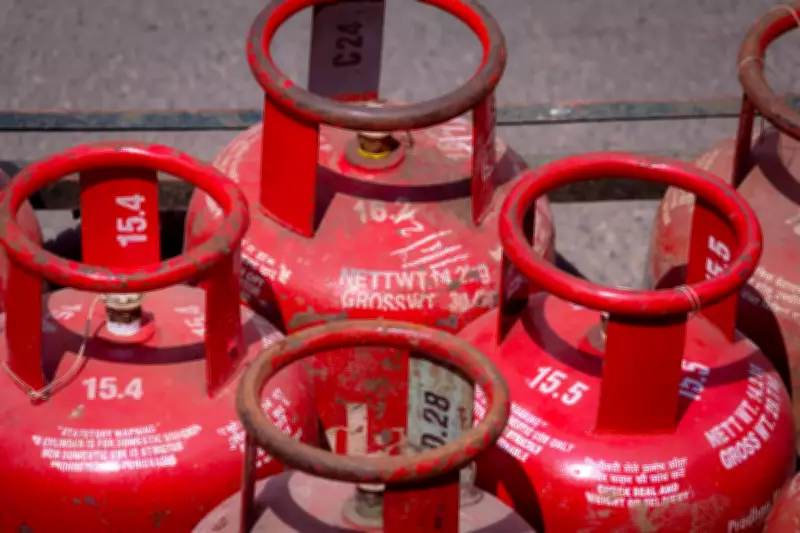
"Substituting LPG with DME does not require any change in the existing infrastructure such as cylinders, gaskets, regulators, hoses or burners," stated Ashish Lele, Director of NCL, in an exclusive interview. This compatibility represents a crucial advantage for rapid adoption and implementation.

Established Standards and Production Methods
The Bureau of Indian Standards (BIS) has already established comprehensive standards for blending DME with LPG across domestic, commercial, and industrial applications. This regulatory framework provides a solid foundation for integrating DME into India's existing energy ecosystem.
Dimethyl ether is synthetically produced from methanol, which can be sourced from diverse materials including dry biomass, coal, or even captured carbon dioxide. The fuel shares remarkably similar characteristics with LPG and can be blended with liquefied petroleum gas in various proportions without requiring modifications to current cooking fuel infrastructure.
Addressing Global Supply Chain Pressures
The push for DME expansion comes at a critical juncture when LPG prices have escalated dramatically following disturbances in global supply networks. The Middle East conflict has particularly exacerbated these challenges, creating uncertainty in oil markets that directly impacts energy-importing nations like India.
Scientists involved in the NCL project confirm that replacing LPG with DME would maintain full functionality of existing cylinders, gaskets, regulators, hoses, and burners. This seamless transition capability positions DME as a practical and immediately implementable solution to India's growing energy security concerns.
As geopolitical tensions continue to influence global energy dynamics, India's investment in alternative fuel development represents a strategic move toward greater energy independence and resilience against international market fluctuations.






