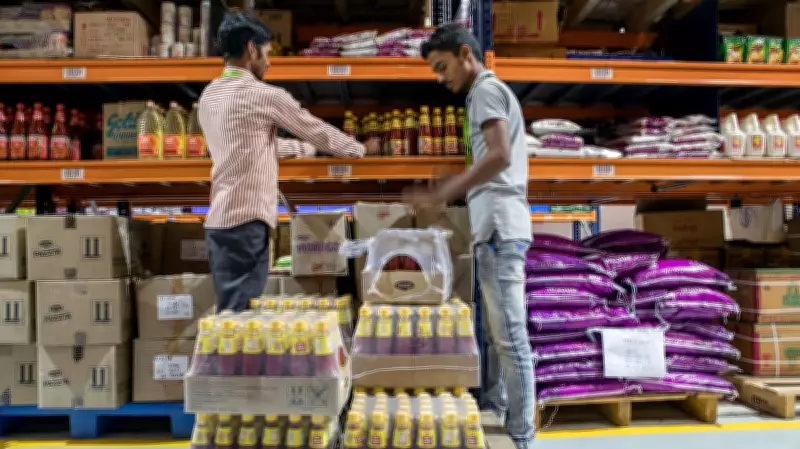
India's dark store density has reached 50 square feet per 1,000 people, with Bengaluru emerging as the leader at 150 square feet, according to a recent report. This growth underscores the rapid expansion of quick-commerce infrastructure across the country.
Dark Store Density Highlights
The report, released by a leading real estate consultancy, reveals that the total dark store space in India has grown significantly over the past year. Currently, the national average stands at 50 sq ft per 1,000 population, but top cities show much higher densities.
Bengaluru Leads the Pack
Bengaluru tops the list with 150 sq ft per 1,000 people, driven by high demand for quick deliveries and a tech-savvy population. Other cities like Mumbai, Delhi, and Hyderabad also show elevated densities, ranging from 80 to 120 sq ft per 1,000 people.

Quick-Commerce Boom
The rise of dark stores is closely tied to the booming quick-commerce sector, which promises deliveries within 10-30 minutes. Companies such as Zepto, Blinkit, and Swiggy Instamart have been aggressively expanding their dark store networks to meet consumer demand for instant groceries and essentials.
Impact on Real Estate
This trend has also impacted the real estate market, with increased leasing activity for warehouse and retail spaces converted into dark stores. Industry experts expect further growth as more players enter the market and existing ones scale up operations.
Future Outlook
With the quick-commerce market projected to grow at a compound annual growth rate of over 40% in the next few years, dark store density is likely to increase further. Cities with high population density and strong e-commerce penetration are expected to lead this expansion.
In conclusion, India's dark store infrastructure is rapidly evolving, with Bengaluru setting the benchmark. This development highlights the changing landscape of retail and logistics in the country.