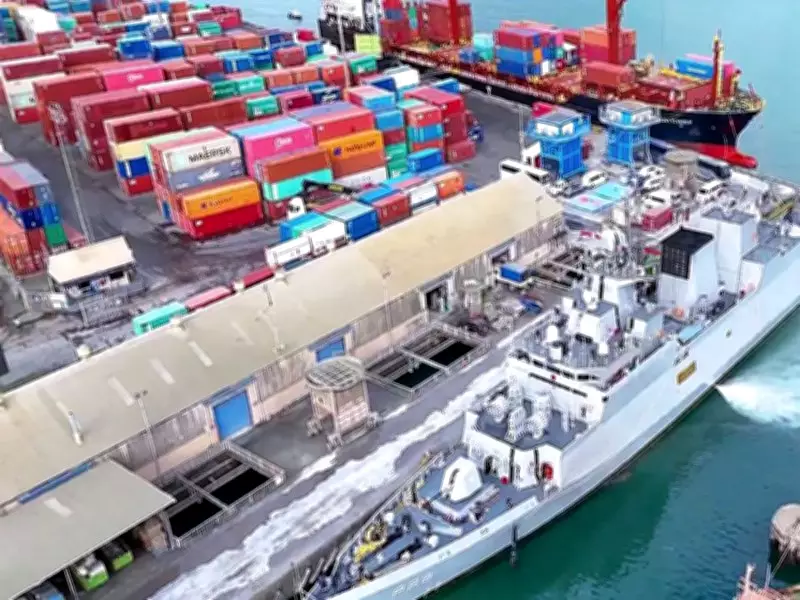
A recent report has highlighted that India will need to develop 215 high-capacity Multi-Modal Logistics Parks (MMLPs) by 2047 to meet the projected freight demand and facilitate a modal shift from rail to more efficient logistics. The study, conducted by a leading industry body, underscores the critical role of MMLPs in reducing logistics costs and improving supply chain efficiency.
Freight Demand Projections
According to the report, India's freight demand is expected to quadruple by 2047, driven by economic growth, urbanization, and industrialization. The current infrastructure is insufficient to handle this surge, necessitating the establishment of dedicated logistics hubs that can integrate multiple modes of transport, including rail, road, and waterways.
Benefits of MMLPs
MMLPs are designed to consolidate cargo, provide value-added services, and enable seamless intermodal transfers. They can significantly reduce transit times, lower inventory costs, and minimize carbon emissions. The report emphasizes that these parks will be pivotal in achieving the government's target of reducing logistics costs from 14% of GDP to below 10% by 2030.

Shift from Rail to Road
Interestingly, the report notes a shift in freight movement from rail to road, which currently accounts for over 60% of freight transport. MMLPs can reverse this trend by offering efficient rail connectivity and last-mile road links, making rail a more viable option for long-distance hauls. This modal shift is essential for decongesting roads and reducing environmental impact.
Investment and Implementation
The development of 215 MMLPs is estimated to require an investment of over $50 billion. The report calls for public-private partnerships, land acquisition reforms, and streamlined regulatory approvals to expedite implementation. It also recommends integrating these parks with the Dedicated Freight Corridors (DFCs) and the Bharatmala highway project to maximize efficiency.
In conclusion, the report stresses that timely development of MMLPs is critical for India to achieve its logistics vision and support sustained economic growth. Without these hubs, the country risks facing severe capacity constraints and higher logistics costs, which could hinder its competitiveness globally.