India is charting a strategic course for its power sector, balancing the need for reliable baseload generation with ambitious technological modernization. A senior government official has outlined plans to significantly expand coal-based power capacity while simultaneously driving a nationwide push for advanced, interoperable smart meters.
Coal Capacity Expansion for Energy Security
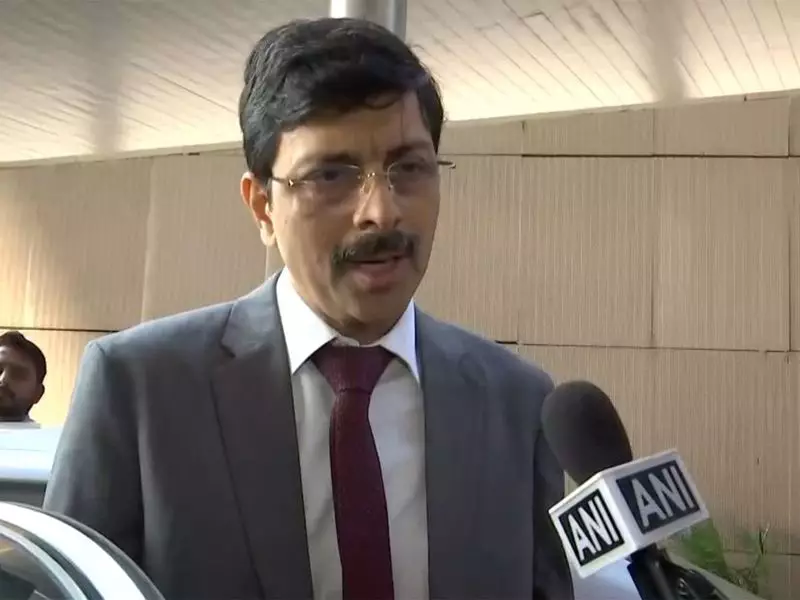
Power Secretary Pankaj Agarwal has announced that India is targeting a substantial increase in its coal-fired power capacity. The goal is to reach approximately 307 Gigawatts (GW) by the year 2035. This represents a significant rise from the current capacity of around 211 GW.
Agarwal clarified that this expansion is not about constructing a large number of new plants from scratch. Instead, the strategy focuses on two key areas. First, it involves completing coal-based power projects that are already underway. Second, the plan includes adding new units at existing power plant sites, which is often a more efficient and faster method of capacity addition.

This move is seen as crucial for ensuring the nation's energy security and meeting base load demand, especially as the economy grows and electricity consumption rises. The government emphasizes that this expansion will proceed while also adhering to environmental norms.
The Drive for Interoperable Smart Meters
Parallel to the generation push, a major transformation is planned for the distribution network. The government is strongly advocating for interoperability in smart meters being deployed across the country. Interoperability means that meters from different manufacturers can communicate seamlessly with various backend systems and software applications.
Currently, a lack of interoperability can lock utilities into a single vendor's ecosystem, potentially limiting competition and innovation. The government's push aims to break this silo. "We are telling the states that the meters you are installing should be interoperable," stated Power Secretary Agarwal. This will allow for more flexibility, foster competition among suppliers, and potentially lower costs in the long run.
This initiative is a key component of the Revamped Distribution Sector Scheme (RDSS), a central government program designed to improve the financial and operational health of electricity distribution companies (discoms). The widespread installation of smart meters is central to reducing commercial losses like theft and improving billing efficiency.
Implementation and Future Outlook
The scale of the smart meter rollout is vast. Pankaj Agarwal revealed that tenders for a staggering 250 million smart meters have already been issued under the RDSS. Furthermore, agreements for 230 million meters have been finalized, and approximately 10 million meters have been installed on the ground so far.
The official stressed that the government is actively engaging with state power ministers and officials to emphasize the importance of the interoperability mandate. The vision is to create a future-proof, technology-agnostic grid where consumers can benefit from advanced services and discoms can manage demand and supply more efficiently.
This dual approach underscores India's complex energy transition path. It is investing in conventional power for immediate and medium-term stability while aggressively deploying digital technologies to build a smarter, more resilient, and consumer-friendly electricity distribution system for the decades ahead.