

India's Electronics Manufacturing Policy Takes a Strategic Turn
The Indian government has firmly drawn a line under its ambitious electronics manufacturing initiative, coupling new project approvals worth thousands of crores with a clear and direct warning to industry players. Subsidies will no longer be automatically disbursed to companies that treat India merely as a factory floor without investing in building robust design capabilities domestically.
Shift from Scale to Strategic Value
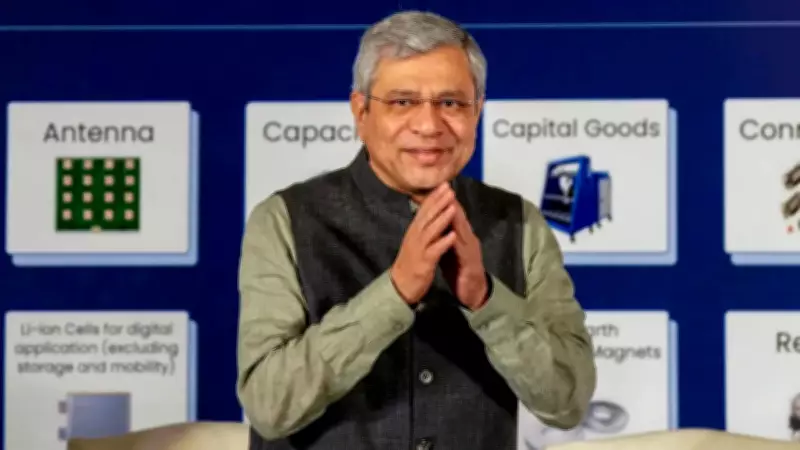
Signaling a significant policy shift from focusing solely on scale to emphasizing strategic value, Union IT Minister Ashwini Vaishnaw stated on Monday that firms participating in the Electronics Components Manufacturing Scheme must embed design, quality, and engineering within India. Failure to do so could result in the loss of government support. This move underscores the administration's intent to ensure that manufacturing activities contribute meaningfully to the country's technological ecosystem.
Fresh Approvals and Investment Figures
The warning was delivered alongside the announcement of a fresh set of approvals that highlight the ongoing scale of the scheme. The ministry has cleared 29 new projects involving an investment of Rs 7,104 crore. This development brings the total approvals under the scheme to an impressive Rs 61,671 crore, surpassing the initial target of Rs 59,350 crore. These figures demonstrate the substantial financial commitment being made to bolster India's electronics manufacturing sector.

Minister's Emphasis on Design and Value Capture
Vaishnaw pointed out existing gaps in the industry's response to the scheme, stressing that real economic value is captured only when design is conducted within India. He elaborated that incentives will now be closely tied to the development of deeper technological capabilities, rather than just assembly or production volumes. This approach aims to foster innovation and high-value engineering work, moving beyond low-end manufacturing to create a more self-reliant and competitive electronics industry.
The government's stance reflects a broader strategy to enhance India's position in the global electronics value chain, ensuring that subsidies drive long-term technological advancement and job creation in design and engineering roles.






