

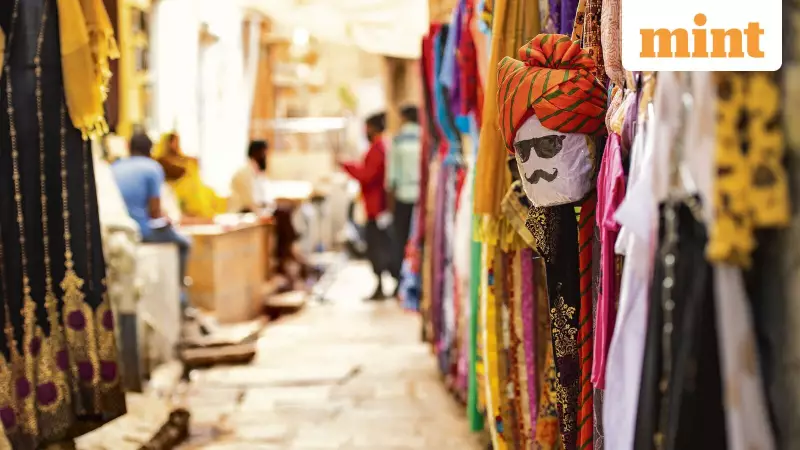
A significant transformation is sweeping through India's consumer branding landscape. Companies are increasingly shedding Westernized personas in favor of culturally familiar identities to connect with a new generation of shoppers. This strategic pivot is driven by a growing appetite for authenticity and a distinct Indian narrative.
The Rise of the Homegrown Narrative
Brands such as Nicobar, Gully Labs, and Vahdam Teas are leading this charge. They are consciously placing Indian aesthetics, regional languages, local stories, and indigenous craftsmanship at the core of their products and marketing. This move represents a clear departure from an earlier era where brands like Peter England, Monte Carlo, and Van Heusen adopted international-sounding names and Western codes to signal quality and aspiration.
Animesh Mishra, co-founder of Gully Labs, highlighted the inspiration behind this shift. He observed that while global stores celebrated Indian heritage, Indian shopping streets were flooded with global branding. "We saw a big opportunity in this mindset problem," Mishra stated. The sneaker brand, whose name derives from the Hindi word for 'street,' now has a dedicated team researching India's diverse cultural elements to enhance its marketing.

Key Drivers of the Cultural Shift
Several factors are fueling this trend:
- The fading of the 'foreign is better' mindset as Indian brands deliver global-standard quality and packaging.
- A young consumer base that values authenticity and is comfortable with its cultural heritage.
- The powerful impact of cultural storytelling, which can generate unprecedented consumer excitement.
This excitement was evident when streetwear brand Jaywalking India hosted a sample sale in Mumbai's Kala Ghoda area, attracting a crowd of over 5,000 people and disrupting local traffic.
Bala Sarda, founder and CEO of Vahdam Teas, recalled that a decade ago, India was not seen as a trusted origin for food and wellness brands. "That's shifting now, not because the principle changed, but because Indian brands are finally delivering global-quality products and experiences," Sarda explained.
Navigating Challenges and Pricing
Despite the positive shift, new-age brands face the challenge of premium pricing. High costs associated with authentic production, locally sourced materials, and revamped marketing often result in higher price points. For instance, three of Gully Labs' bestselling sneakers are priced at over ₹7,000, while Nicobar's portfolio starts at ₹1,200.
Brands are experimenting with strategies to improve accessibility. Vahdam Teas, for example, has introduced smaller pack sizes for its flavours. According to Naresh Gupta of Bang In The Middle advertising agency, pricing strategies will evolve as the sector matures and more consumers actively choose India-inspired products.
Creative strategist Sumanto Chattopadhyay notes that the shift is propelled by young consumers who are "comfortable in their own skin." What began with categories like food and fashion is now spreading to jewellery and financial services. This is not a passing wave but a fundamental shift in consumer preference, signaling a new, confident chapter for Indian consumer brands.






