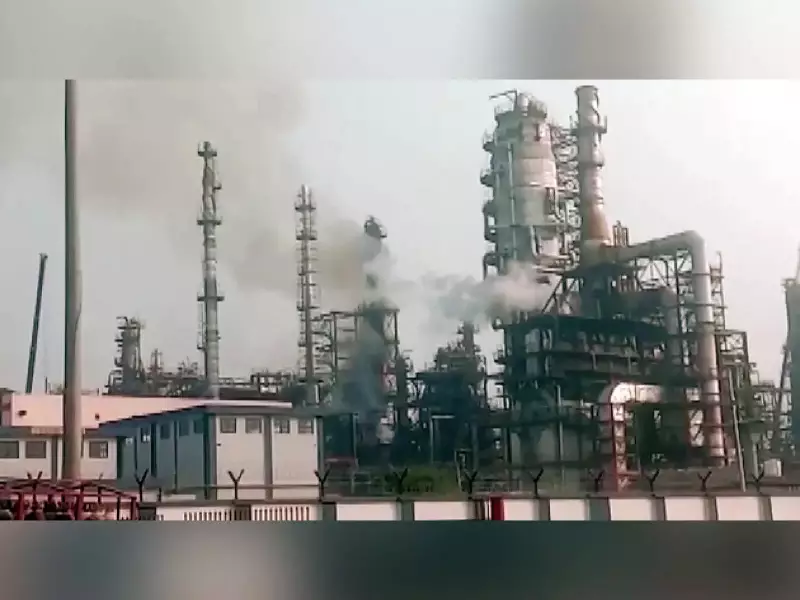
Indian Chemical Industry Confronts Multiple Headwinds
A recent report from Nuvama paints a challenging picture for India's chemical sector. The analysis identifies several structural and macroeconomic risks that threaten the industry's growth and profitability. These challenges span from global market distortions to domestic policy hurdles.
China's Overcapacity Dominates Global Markets
One of the most significant structural risks highlighted by Nuvama stems from China's overwhelming dominance in global commodity chemical production. China controls massive capacities across a wide range of products including soda ash, caustic soda, phenol, PVC, polycarbonates, epoxy resins, TDI, phthalic anhydride, and acetic acid.
Chinese producers continue operating even at financial losses, often with state support. This practice keeps global prices artificially low and prevents meaningful recovery for Indian companies. Utilization levels in China remain well below optimal capacity, maintaining downward pressure on international chemical prices.

The report states clearly that China's chemical industry operates with massive overcapacities across virtually all major commodity chemical chains. This situation limits any sustained improvement in pricing and margins for Indian manufacturers.
Elevated Energy Costs Squeeze Margins
Another major concern for the sector involves persistently high crude oil and feedstock prices. When crude prices rise, they directly inflate the cost of essential chemical feedstocks such as:
- Naphtha
- Benzene
- Propylene
- Ethylene
Energy-intensive downstream chemical chains prove particularly vulnerable during periods of sustained oil price volatility. These increased input costs erode profitability across the industry.
Currency Movements Undermine Export Competitiveness
The Nuvama report also flags currency risk as an important headwind. A stronger Indian rupee against the US dollar reduces export realizations for Indian chemical companies. This effect hits hardest for businesses dealing in bulk and mid-value products.
Since Europe and the United States serve as key export destinations, currency appreciation can negate India's traditional cost advantages. This problem compounds when global chemical prices already face downward pressure from other factors.
Weak Western Demand Depresses Volumes
Persistently weak end-market demand in western economies continues to weigh on volume growth. The report notes a sustained slowdown across multiple sectors in Europe and the US, including:
- Housing and construction
- Consumer goods
- FMCG products
- Agrochemicals
- Automotive manufacturing
Weak residential construction has specifically affected demand for PVC, caustic soda, and polycarbonates. Meanwhile, subdued agrochemical and pharmaceutical demand has weighed on intermediates and solvents.
Domestic Policy Gaps Hamper Competitiveness
Beyond external challenges, policy and execution gaps within India present additional hurdles. Citing a NITI Aayog report, Nuvama points to several domestic issues:
- Delays in environmental clearances
- Weak enforcement of anti-dumping duties
- High logistics and energy costs
These factors dilute India's competitiveness in the global chemical market. The report warns that without faster approvals and more supportive trade policies, India risks missing the opportunity created by Europe's industrial decline.
The combination of these challenges creates a complex operating environment for Indian chemical manufacturers. Companies must navigate global market distortions, volatile input costs, currency fluctuations, weak demand, and domestic policy constraints simultaneously.