

From Steam to Solar: The Evolution of Clean Cooking in Indian Kitchens
In the 1980s, Nagesh Nayak, owner of Cafe Mysore in Matunga, Mumbai, engineered a groundbreaking solution for his kitchen. An electrical engineer turned restaurateur, he installed a gas-powered boiler to pipe pressurized steam to his cooking range. This contraption, more commonly found on factory floors, allowed steam to condense back into water in the vessels, cooking food faster and more evenly.
Nagesh's motivation was not fuel scarcity, as dagadi kolsa or rock coal was plentiful at the time. Instead, he aimed to reduce reliance on the smoky, polluting fuel, showcasing an early commitment to environmental responsibility.
Solar Power and Natural Gas: A Modern Upgrade
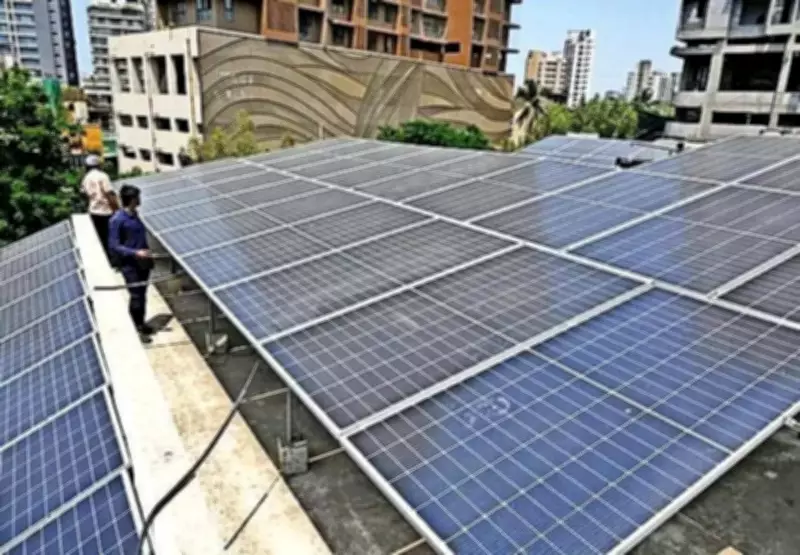
Forty years later, his son Naresh has elevated this legacy by integrating solar energy. Solar panels on the cafe's terrace generate electricity that feeds into the grid, indirectly powering about 50% of their cooking operations. Piped natural gas handles the rest, including energy-intensive tasks like deep-frying. "Eventually," Naresh says, "nearly everything will run on electricity."

According to the Institute for Energy Economics and Financial Analysis, electricity-based cooking devices can be 14% cheaper than piped natural gas and 37% cheaper than non-subsidised LPG. When combined with renewable sources like solar, the cost savings increase further. Naresh emphasizes that fuel diversification acts as a safeguard against infrastructural risks and potential shortages, a strategy gaining traction across the food service industry.
Biomass Pellets and Induction Stoves: New Alternatives Emerge
Saili Jahagirdar, proprietor of Zillionth Bistro in Pune, turned to pellet stoves during a recent LPG supply cut. These stoves burn compressed agricultural residue pellets, such as rice, soybean, and corn husks, promoting energy self-reliance and addressing waste management issues.
Jahagirdar sourced two single-burner cookstoves and 20 kg of pellets from Samuchit Enviro Tech, complementing them with four large induction burners to keep her business operational. The transition required adaptation; for instance, pellet stoves need refueling every 30 minutes, demanding efficient planning. "Cooking on a pellet stove can take longer due to lower energy output," she notes, "but slow cooking improves food quality—noodles become bouncier, and rice fluffier." Despite the challenges, she plans to continue using these alternatives even after LPG supply normalizes.
Industrial Adoption and Supply Chain Strains
Biomass pellets are also fueling large-scale operations, such as the canteen at the ElringKlinger Automotive Components plant in Pune. Two industrial-grade pellet stoves prepare meals for 2,000 workers across three shifts, serving four meal slots daily for 250–300 people each time, without any operational issues.
The surge in adoption is straining supply chains. Piyush Himmatbhai Patel, owner of Manpacking Industries, reports that biomass pellet demand has skyrocketed, with customers now ordering tonnes instead of kilos. Similarly, Ecosense Appliances, a biofuel stove manufacturer, has added a new production shift to meet increased demand, selling 350 stoves in a month compared to their usual 5–10.
Ketaki Kokil, director at Ecosense, observes that while the surge may be temporary, it has ignited broader discussions on alternative fuels. "For years, we promoted pellets as a sustainable LPG alternative without success," she says. "This crisis has sparked a wider conversation."
A Turning Point for Energy Security
Priyadarshini Karve, founder and MD of Samuchit Enviro Tech, views this shift as a potential turning point. "With LPG, we put all our eggs in one basket while contributing to global warming," she explains. "Integrating clean, alternative energy sources into cooking enhances energy security and reduces environmental impact."
As Indian kitchens embrace innovations from solar power to biomass, the move towards cleaner cooking not only cuts costs but also builds resilience against future energy challenges, marking a significant step in sustainable business practices.






